

Educational Sessions
The ABMA 2026 BOILER Expo Educational Sessions in Conjunction with THEA, features insightful educational content, and unique opportunities to learn about today’s solutions to address boiler room needs and challenges.
DOWNLOAD THE FULL SCHEDULE OF EVENTS
Get Ready to Ignite Your Knowledge at the 2026 ABMA BOILER Expo in Nashville!
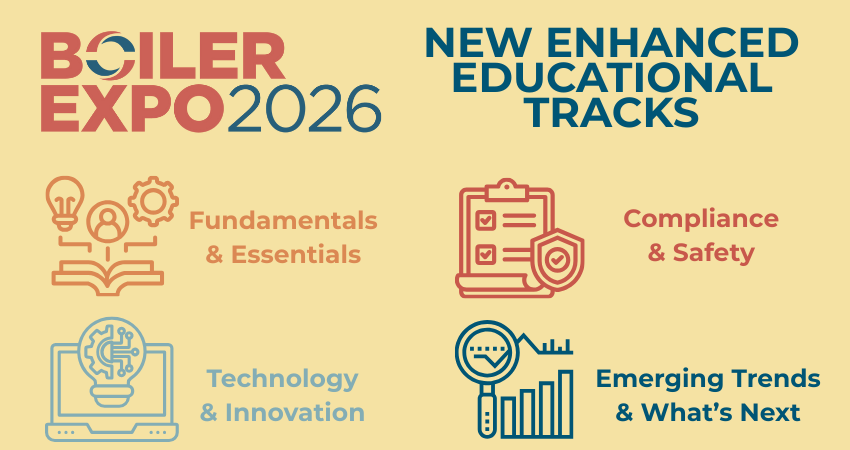
The 2026 BOILER Expo will have an exciting and revitalized educational focus, expanding our offerings from previous expos and feature over 20 breakout sessions across four key educational tracks. In addition, the Expo will feature new hands-on boiler training opportunities, and expanded pre-conference workshops, ensuring an enriching experience for all attendees.
Four Key Educational Tracks:
Fundamentals & Essentials: Attendees will gain crucial insights into boiler selection, effective operation, proper maintenance, and strategies to maximize efficiency. This foundational knowledge is designed for both newcomers and seasoned professionals looking to hone their skills.
Safety & Compliance: Ensuring the highest level of boiler safety is paramount. Participants will delve into effective project readiness, understanding the significance of boiler safety, and staying compliant with ever-evolving codes and regulations that govern the industry.
Technology & Innovation: The industry is evolving rapidly, and our sessions will cover the latest advancements in boiler technology. Learn how innovative solutions are being developed to meet and exceed customer needs, helping to foster a more efficient and sustainable boiler room environment.
Emerging Trends & What’s Next: Explore how the boiler industry is shaping its future through hybrid systems and alternative fuel sources. Attendees will be introduced to new trends that are redefining the boiler landscape and paving the way for tomorrow’s boiler room.
“As we gear up for the 2026 ABMA BOILER Expo, I invite everyone to come together to enhance our knowledge and experience the innovation in our industry. The exciting enhancements to our educational program promise to deliver invaluable insights and foster collaboration. We are looking forward to the opportunity to elevate boiler expertise and propel the boiler industry forward!”
— Dustin Divinia, President of Vector Systems & Chair of the BOILER Expo Advisory Committee.
Pre-Conference Workshops are $99/ea
Boiler Types & Applications
Presented by Jude Wolf, WARE & Boiler University
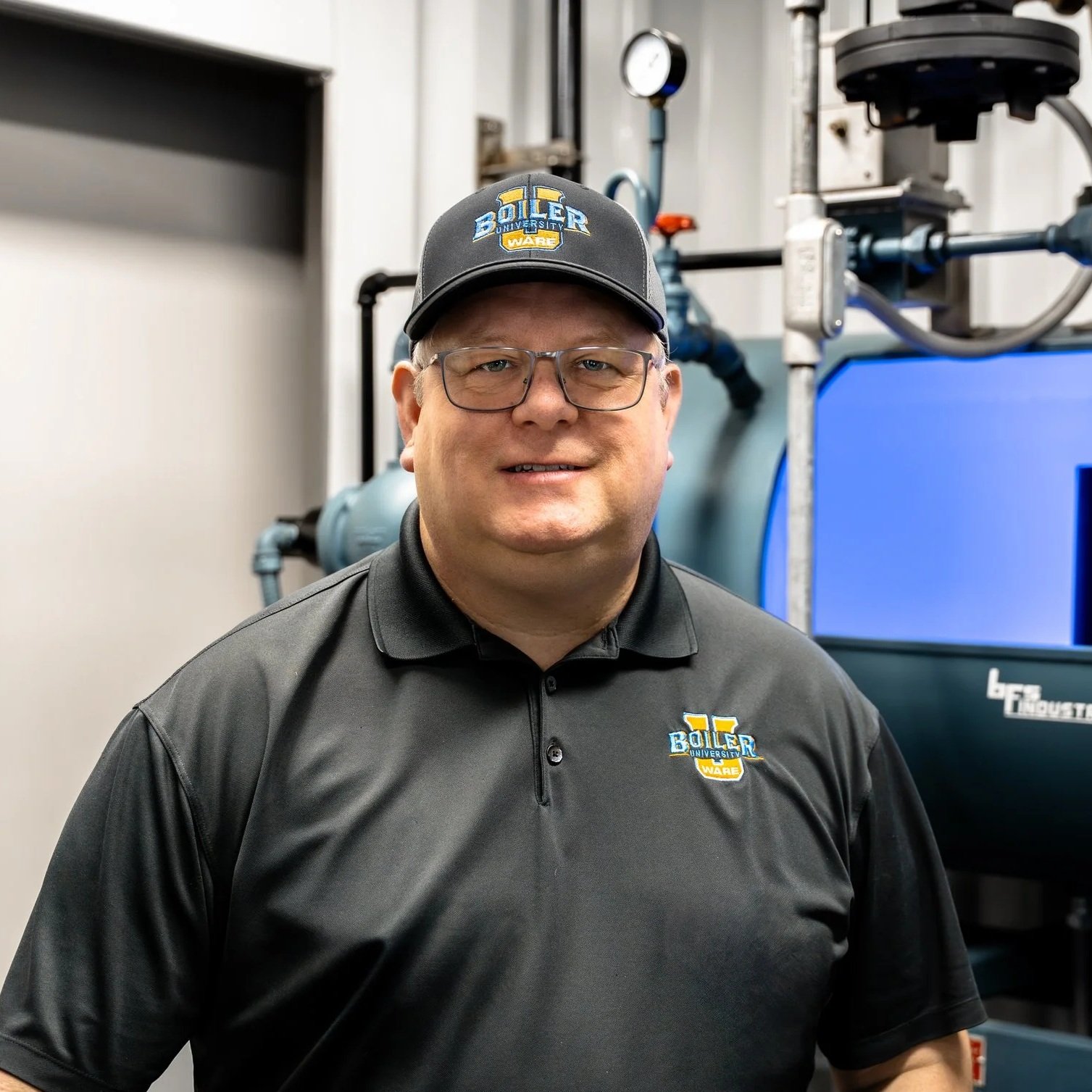
With over 25 years of field service experience, Jude has worked on nearly every type of boiler system. Known for his calm, practical teaching style, he helps students connect real-world service skills in the boiler room.
WARE brings their expertise from Boiler University to the BOILER Expo for this four-hour pre-conference workshop on boiler types and applications.
This workshop offers an overview of boiler and burner types for a variety of applications along with insights on vessel selection, feedwater requirements, emissions and controls.
Attending this workshop will prepare you for your next boiler purchase or retrofit project.
Attending this workshop will prepare you for your next boiler purchase or retrofit project.
Boiler Water Treatment Workshop
Presented by AWT – The Association of Water Technologies
This workshop is designed to give boiler operators, managers, service professionals and others a complete understanding of the critical role water treatment plays in safety, efficiency, and reliable operation of boilers. Rather than focusing on theory alone, the program emphasizes real-world challenges, practical solutions, and proven strategies that directly impact day-to-day operations and efficiency in the boiler room.
AWT members that complete the workshop will receive 1 CEU and a certificate of completion.
Topics Addressed Include:
The Economics of Boiler Water Treatment: Uncovering the True Cost of Operation and the Key Drivers of Safety and Efficiency
Boiler Feedwater: Conditioning Techniques That Keep Your System Safe, Efficient, and Long-Lasting
Waterside Boiler Failures and How to Prevent Them: A Practical Guide to Common Causes and Proven Prevention Strategies
Regulatory Compliance in Boiler Water Treatment: Standards, Guidelines, and Operational Excellence
Speakers & Topics
American Society of Power Engineers (ASOPE)
The Art of Replacing Boilers in a Centralized Plant Without Impact on Production Needs
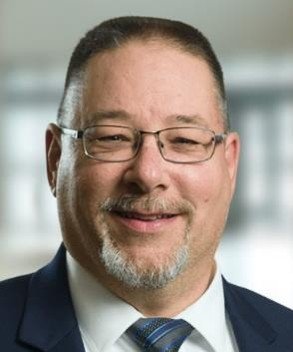
Jay Ehrfurth, ASOPE National President
Mr. Ehrfurth has over 40 years of providing training and operations/maintenance consulting in the thermal world concentrating on central plants and distribution systems. Before retiring from Boldt, Jay’s role as VP-Energy supported the repair, modification or construction of centralized thermal facilities for hospitals, industrial, higher educational, and correctional facilities. Jay has personally managed over $1 billion in power related projects. Prior to Boldt, Jay served as the State Chief Power Plant Engineer for the WI DOA. Jay’s responsibilities included the monitoring of central plant performance, fuel procurement, plant emissions, and construction projects for 33+ state thermal plants. Jay is a Licensed Professional Engineer (Mechanical – WI), a Certified Energy Manager, holds an ASOPE-Master Chief’s License and Technical Instructor credential. Jay is on the board of directors for the Wisconsin Boiler Inspectors Association (WBIA), and American Society of Power Engineers (ASOPE) – currently serving as ASOPE National President.
Session Overview
This presentation discusses how the use of N + 1 charting provided the roadmap to successfully strategize boiler moves without production impacts. Aged multiple solid fuel boilers had to be replaced with new natural gas boilers. Through planned sequence optimization and alternative project delivery approaches; time, resources, and costs were reduced while improving the delivered quality of the project. The case study is Milwaukee Regional Medical Center (MRMC). A coal to gas conversion project utilizing Lean Construction tools. Four vintage boilers with a total capacity of 340,000 #/HR were removed and replaced with four boilers at a total capacity of 280,000 #/HR without any service interruptions.
Autoflame Engineering
Emissions Standards and Monitoring Technologies: Staying Compliant and Future-Ready
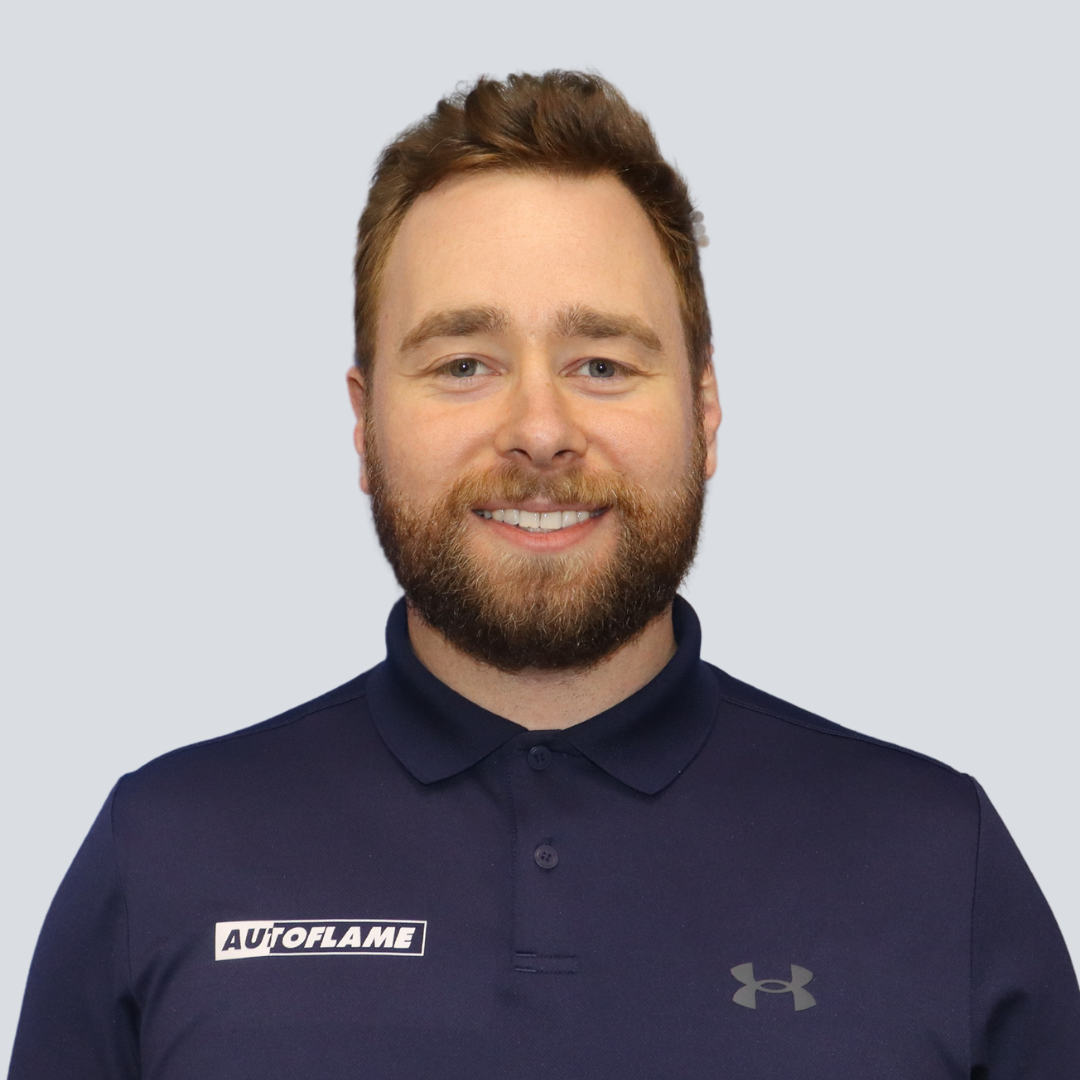
Tom Garrett
Tom is the North American Sales Director at Autoflame Engineering. Having joined the company in July 2017 with a BEng Hons in Aerospace Engineering, Tom oversees and manages the day-to-day operations of Tech Centres and OEMs in North America. His experience spans from high-level technical presentations and explanations, to advising on complex installations, instructing on industry best practices, building control panels, and technical account management.
In addition to looking after more than 70 partner companies from around the world, Tom spends a lot of his time travelling around North America, conducting 2-day Training Schools with Tech Centers and End Users that focus on optimizing plant efficiency and reducing energy consumption. Training includes a balance of high-level Autoflame subjects and hands-on practical demonstrations, as well as industry-relevant combustion and electrical wiring topics.
Session Overview
As emissions regulations continue to evolve, boiler operators and manufacturers must stay informed and proactive to remain compliant while preparing for future requirements. This session will provide an overview of the key emissions regulated in boiler operations and explain how current federal, state, and local regulations impact compliance obligations. Attendees will gain insight into the regulatory landscape and learn how emissions monitoring technologies support compliance, operational efficiency, and data-driven decision making. The session will also explore emerging trends in emissions standards and monitoring, helping participants anticipate future challenges and identify strategies to remain compliant and future-ready.
Chicago Blower
The Truth About the Fan Industry's Unrealistic Sound Ratings
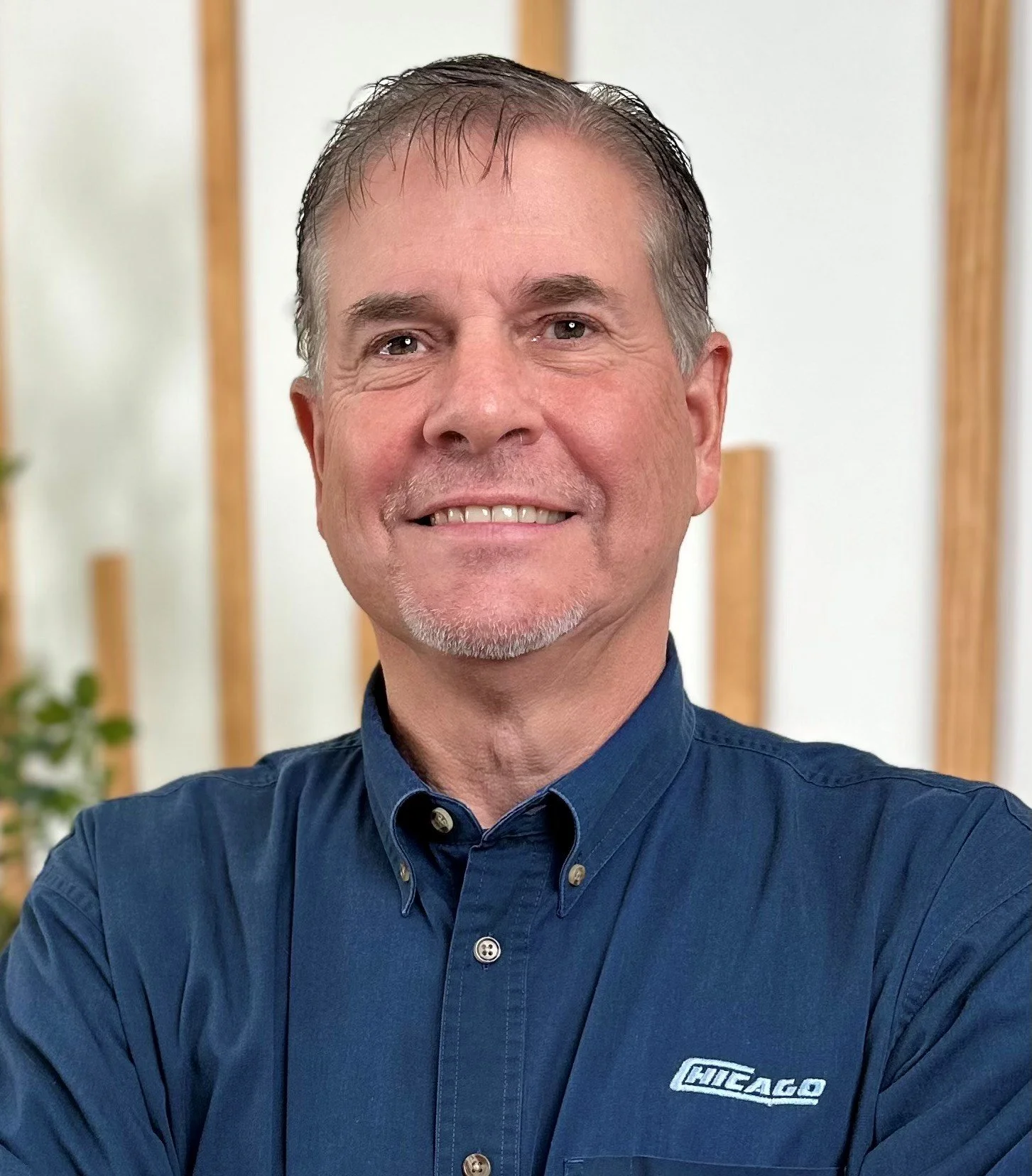
Scott Kossman, President
With over 35 years of experience in the engineering and manufacturing industry, Scott has dedicated his entire career to driving innovation, operational excellence, and employee-focused leadership. As President of Chicago Blower Corporation for the past five years, Scott has transformed the company from regular employee turnover a stable “want to work at” environment, expanding its global market in 22 countries with licensed partners worldwide.
Session Overview
Educational session explaining how unrealistic sound ratings are presented in the fan industry with certified ratings, how to adjust for actual installation conditions and a case study on an expensive solution to misinterpreted sound ratings to become in compliance with end user requirements.
Clark-Reliance
ASME Boiler and Pressure Vessel Section I Requirements for Level Instrumentation

Nate Klein, Product Manager
Nate Klein is the Reliance Product Manager at Clark-Reliance®, where he leads strategic product development and market positioning for the company's flagship product line offering boiler trim products for water level monitoring and control. With over ten years of experience in engineering and boiler systems, Nate brings a unique blend of technical expertise, customer insight, and cross-functional leadership to his role.
He is responsible for driving innovation through new product initiatives, conducting market and competitive analysis, and aligning product strategy with emerging technologies and customer needs. Nate also plays a key role in the boiler industry by presenting ASME BPV Section I requirements for level indication to refineries, power plants, boiler insurance providers, and state inspection agencies.
Prior to his current role, Nate began his career at The Babcock & Wilcox Company, where he held roles in field service and applications engineering. His work included commissioning large-scale emissions projects, conducting boiler inspections during outages, and collaborating with multidisciplinary teams to deliver complex engineering solutions.
Session Overview
Can you see the drum level in your glass gage?
This presentation provides an overview of the key level instrumentation requirements of the ASME Boiler and Pressure Vessel Code (BPVC) Section I as they apply to power boilers. It explains mandatory code provisions related to boiler drum level indication, isolation valves, and piping; and discusses recommended practices for reliable and compliant instrumentation design. Both direct and indirect water level indicators such as conductivity probe systems and guided wave radar will be reviewed with the benefits of each type along with proper maintenance recommendations. The presentation also highlights common industry mistakes and code violations observed in boiler installations. Real-world examples are used to illustrate how these deficiencies can compromise safety and regulatory compliance. Attendees will gain a practical understanding of how to apply ASME code requirements to boiler drum level systems and how to identify and avoid frequent violations in both new and existing boiler installations.
Elliott Tool Technologies
Mastering the Heavy Wall Challenge: Tooling and Techniques for Successful Drift Rolling
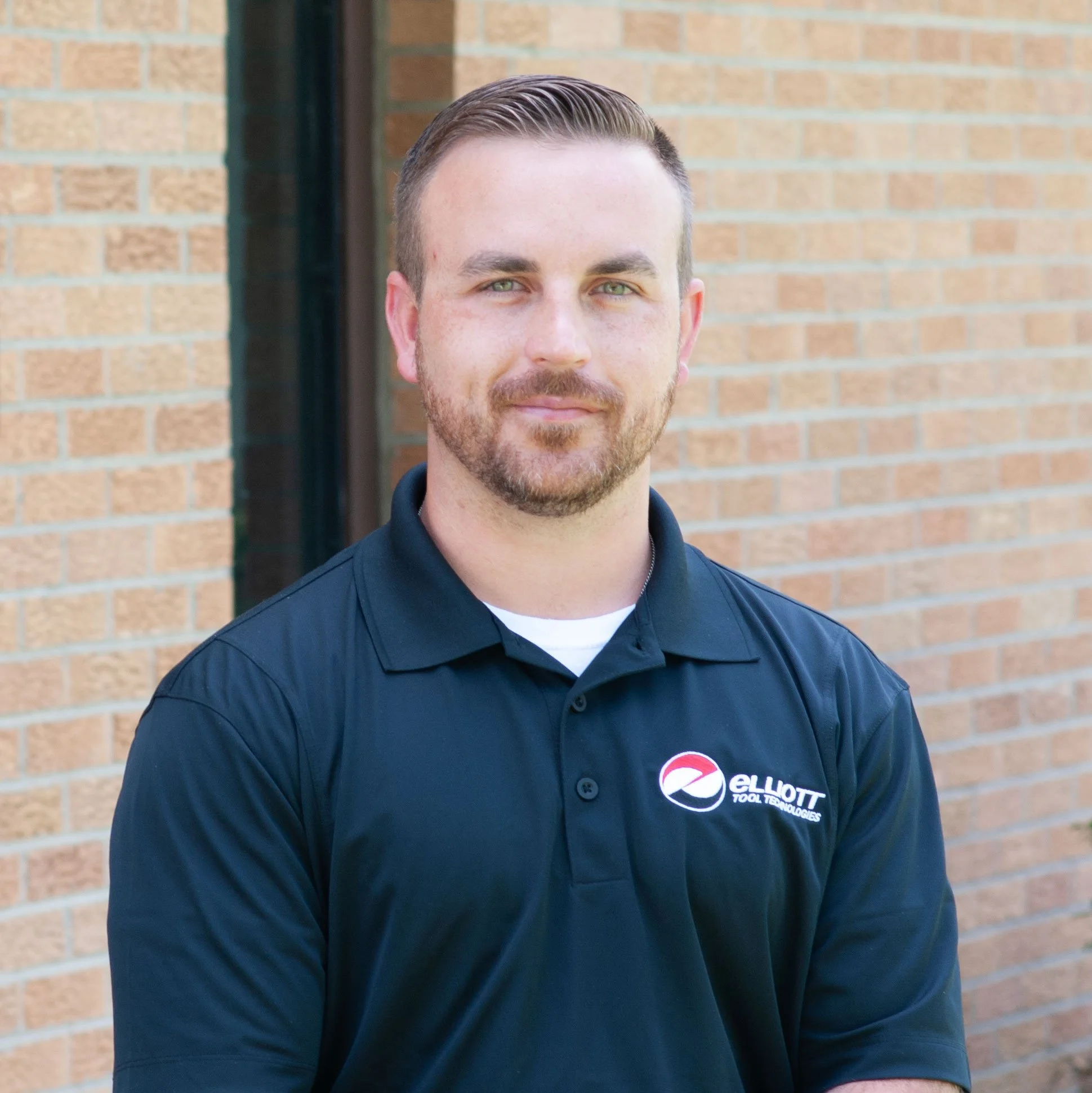
Thomas Wagner
Thomas Wagner is the VP of Sales & Marketing at Elliott Tool Technologies and has over 18 years of experience in the manufacturing industry. With a mechanical background and a career that has progressed from technical roles into sales leadership, he brings a practical, field-driven perspective to tooling, process challenges, and customer applications in heavy industrial and boiler environments.
Session Overview
This presentation will focus on practical tooling techniques for successfully rolling and expanding heavy wall boiler tubes. Attendees will gain insights into common challenges, best practices, and solutions for field applications, with real-world examples from recent projects.
Emerson
Boiler Valve Operations
Tim Dwyer
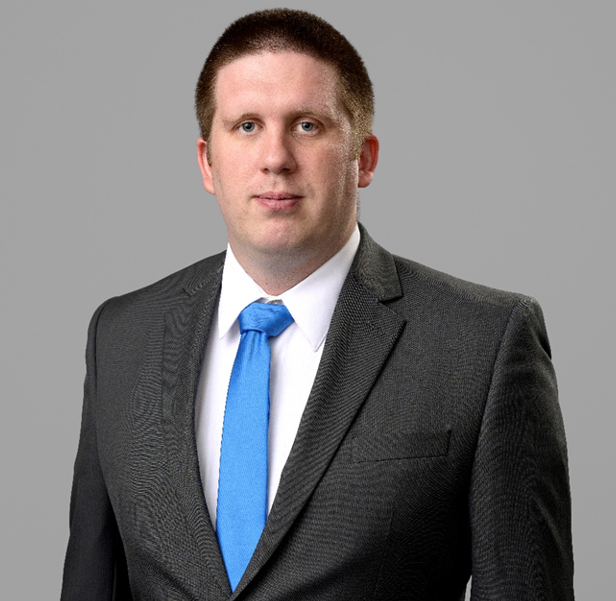
Tim Dwyer is a Business Development Manager of Steam and Industrial Regulators with Emerson. He covers pressure control devices and steam equipment. Tim has been with Emerson for 9 years and held multiple roles that have given experience with many of the various valves found in process industries. He is involved in the FCI standards committees for various steam valves used in industry and ABMA. Tim has a BS in Mechanical Engineering from Iowa State University and is a Certified Energy Manager.
Russell Wilfong

Russell Wilfong has nearly 20 years of experience in the power and steam industry and is the Business Development Manager at Equipment & Controls, Inc. (ECI), where he helps customers optimize the safety, reliability, and efficiency of steam and combustion systems, including boilers, heaters, and other industrial applications. Russell brings deep technical expertise in boilers and combustion, commissioning, and construction management to identify opportunities, develop effective proposals, and deliver practical, value-added solutions. Drawing on experience from previous roles with Babcock & Wilcox, NRG, and Babcock Power, he is passionate about providing innovative solutions that enhance performance and support the long-term sustainability of his customers’ operations.
Session Overview
This section examines the critical function of various valves within boiler systems, focusing on their operation, technology, and maintenance. We will explore the roles of valves for fuel gas, feedwater, blowdown, blowoff, and safety relief valves. The discussion will cover the basic operational principles of each valve type, highlighting various valve technologies. Furthermore, we will delve into the relevant industry codes and standards that govern the use of these valves, as well as common repair and maintenance procedures. Understanding these components is essential for ensuring boiler safety, efficiency, and compliance for both operators and owners.
E-Tech
New Heat Recovery Retrofit into Legacy Systems
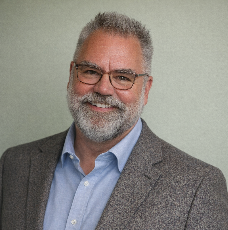
Jamie Tighe
An experienced engineer with more than 35 years in the power and process industry, Jamie has built a career specializing in thermal, pressure vessel, and structural design. He has been with E-Tech, Inc. since 1988, where he applies deep expertise in energy systems, power plants, renewable energy, and project management to support complex engineering projects. His long-standing industry experience and strong technical background make him a trusted professional in delivering reliable and effective engineering solutions.
Session Overview
Many existing boiler and thermal systems were not originally designed to capture and reuse waste heat, leaving significant efficiency gains unrealized. This session explores how modern heat recovery technologies can be successfully retrofitted into legacy systems to improve performance, reduce energy consumption, and extend equipment life. Attendees will learn how to identify which systems are best suited for retrofit and evaluate recovery opportunities based on operating conditions and system constraints. The session will also discuss strategies to maximize heat recovery potential within existing infrastructure, helping participants implement practical, cost-effective upgrades without full system replacement.
Gestra
Improve Boiler Efficency Through TDS Control
Dominik Mahne
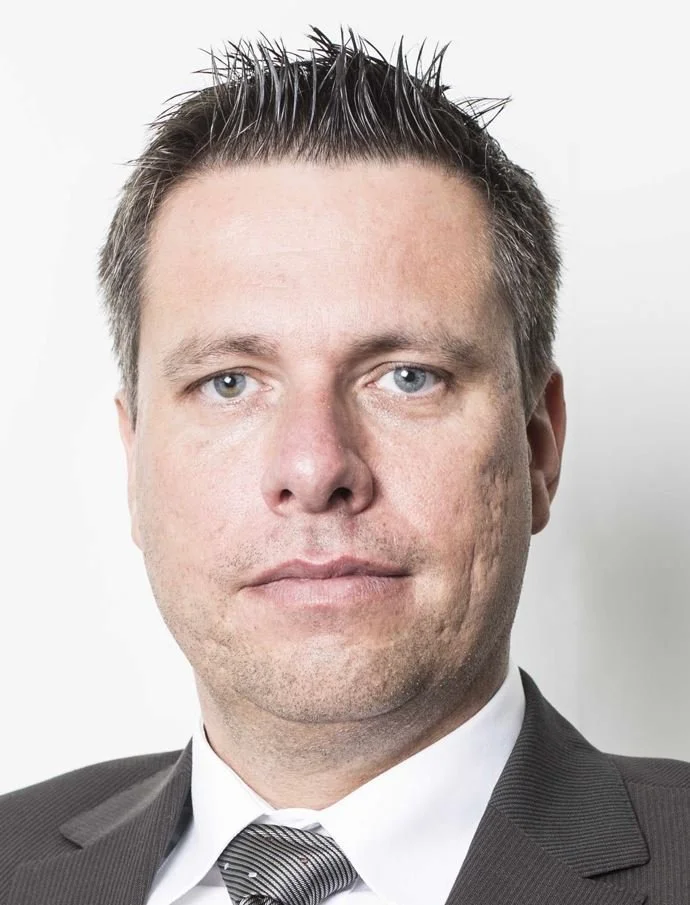
Dominik Mahne is Sector & Business development Manager Boiler house at GESTRA in Bremen, Germany, specializing in steam and condensate systems. With over 10 years of experience, he supports industrial customers in optimizing boiler house operations with a focus on energy efficiency, safety, and regulatory compliance.
Dominik works closely with end users across various industries to implement smart control solutions for blowdown management, TDS control, and continuous level monitoring. He supported numerous customer-focused projects that improve system reliability and reduce operational costs, while ensuring alignment with standards for boiler such as UL60730 or EN 12953.
His expertise includes digitalization of boiler systems, integration of advanced technologies like conductive level limiting, capacitive level sensing, and translating technical requirements into practical, user-friendly solutions. Dominik regularly contributes to technical trainings, customer workshops, and market analysis, helping clients navigate the evolving landscape of boiler technology.
Bernie Sapp
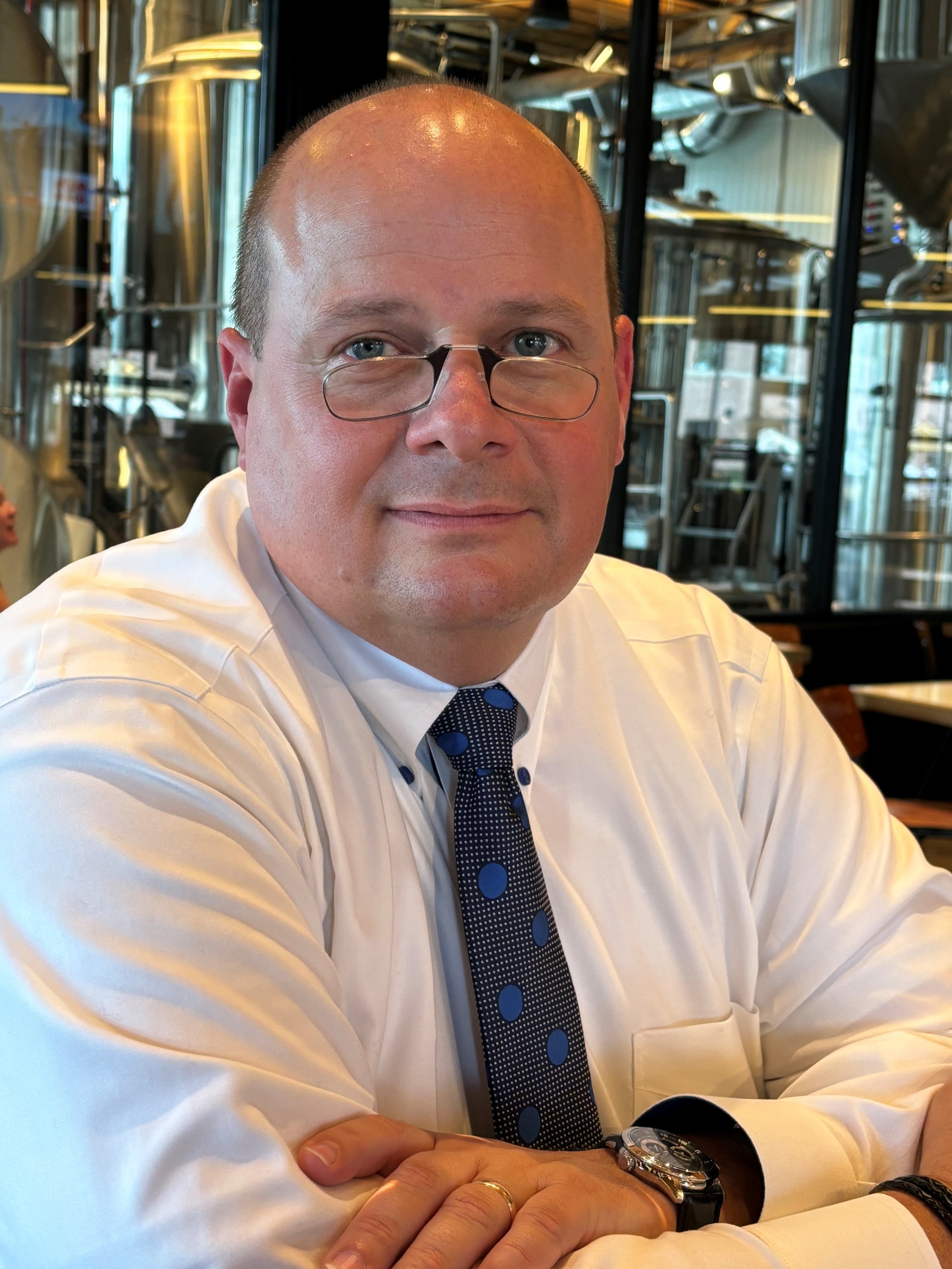
Paul Bernard “Bernie” Sapp is a seasoned technical sales and operations leader with over two decades of experience driving growth and operational excellence in the industrial valve, instrumentation, and process automation sectors. With a strong foundation in mechanical products and process control, Bernie has consistently delivered results through his deep technical knowledge, strategic vision, and hands-on leadership.
At FCX Performance, Bernie led the reorganization of sales territories to maximize efficiency, successfully integrating and aligning multiple teams and establishing new P&L structures. His technical acumen enabled him to streamline inside sales operations and foster cross-functional collaboration, ensuring optimal resource allocation and improved sales performance.
During his 20-year tenure at Spirax Sarco Inc., Bernie held progressive leadership roles, including Direct Strategic Account Manager, National Food and Beverage Manager, Midwest Regional Sales Manager, and Energy Services Manager. He spearheaded the implementation of new sales force structures, aligning strategic and distributor teams to better serve end users. Bernie’s technical expertise was instrumental in evaluating workload, contribution margins, and resource needs, leading to data-driven workforce planning and increased return on investment.
Bernie’s technical leadership extended to process improvement initiatives, where he identified inefficiencies and implemented changes that enhanced operational workflows. He managed complex, multi-million-dollar projects, coordinated inter-departmental teams, and drove significant reductions in operational losses. His ability to analyze employee strengths, territory dynamics, and distribution networks resulted in market share gains and improved sales coverage.
Throughout his career, Bernie has demonstrated a commitment to technical excellence, continuous improvement, and customer-focused solutions. His expertise in sales management, process optimization, and technical training has made him a trusted advisor and leader in the industrial automation industry.
Session Overview
Discover how poor boiler water quality and uncontrolled TDS drive scale formation, fuel losses, operational issues and higher emissions. This session explains the impact of TDS on efficiency and shows how modern continuous blowdown and heat recovery solutions reduce energy use, water consumption, and operating costs—backed by real‑world examples and measurable savings.
Nationwide Boiler
Emissions Regulations, Control Strategies, Lessons Learned
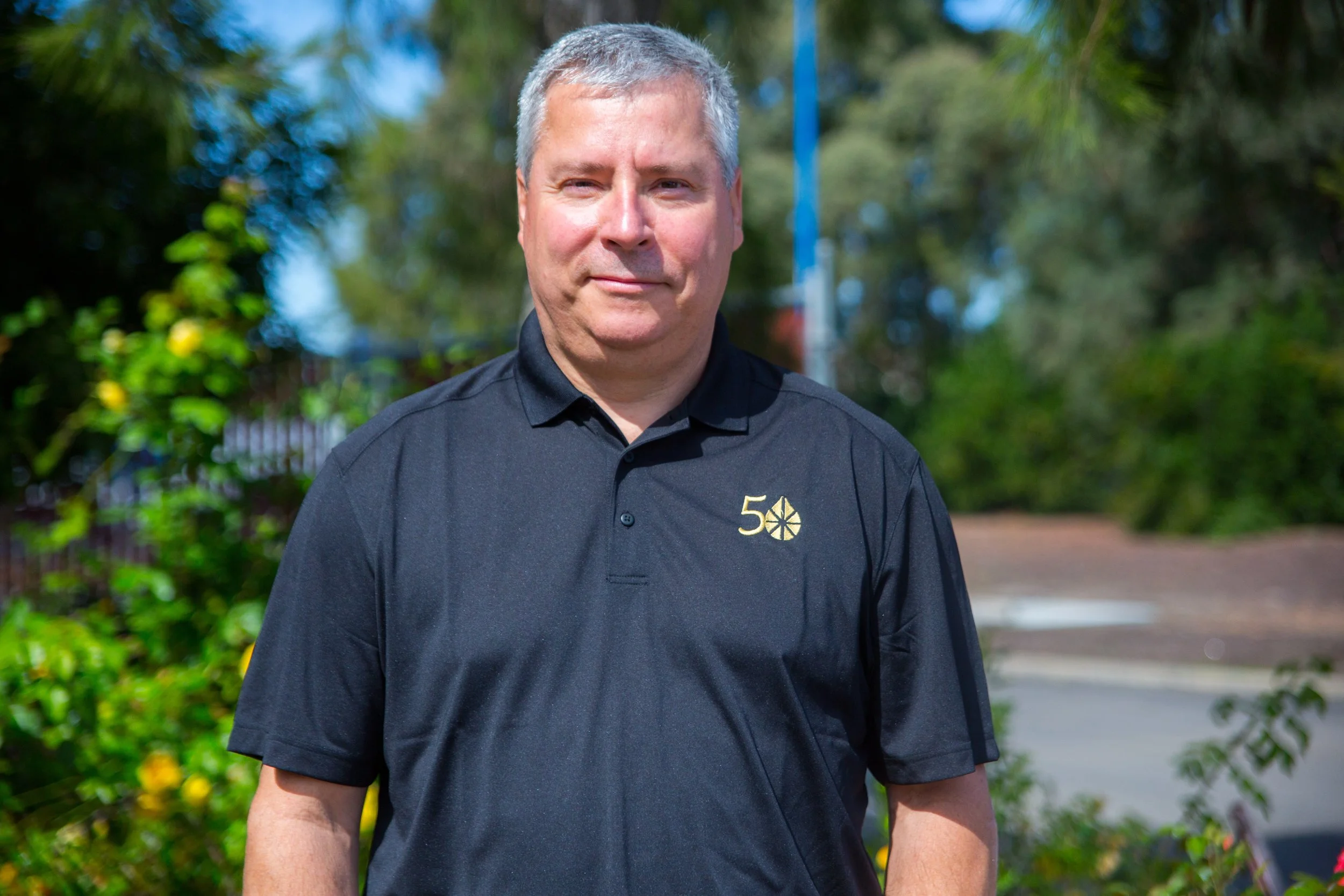
Jim Lieskovan, Vice President of Sales
Jim Lieskovan has worked within the Boiler Industry for more than 40 years. Beginning his career as a Field Service Technician, Jim and his partners built one of the larger Boiler / Burner Sales and Service organizations in California. Since the late 1980’s, Jim worked with Nationwide Boiler as a Contractor and as a customer, participating in many Rental Boiler and CataStak™ SCR sales, installation, and start-up projects. In 2014, after selling his own Company, Jim joined the Nationwide Boiler Team, bringing 30 plus years of Technical, Managerial and Sales experience to his current role as Vice President of Sales.
Session Overview
As NOx regulations tighten nationwide—driven by initiatives such as the United States Environmental Protection Agency Good Neighbor Plan and regional mandates from agencies like the South Coast Air Quality Management District—boiler operators must adopt more advanced emissions control strategies. This session provides a concise overview of evolving NOx standards and compares leading compliance solutions, including ultra-low NOx burners and Selective Catalytic Reduction (SCR) systems capable of achieving ultra-low emission levels. Attendees will gain practical insight into technology trends, optimization strategies, and lessons learned from decades of implementation in highly regulated markets, helping them prepare for increasingly stringent requirements.
Preferred Utilities
Understanding the Fundamental Safety Principles of Burner Management Systems
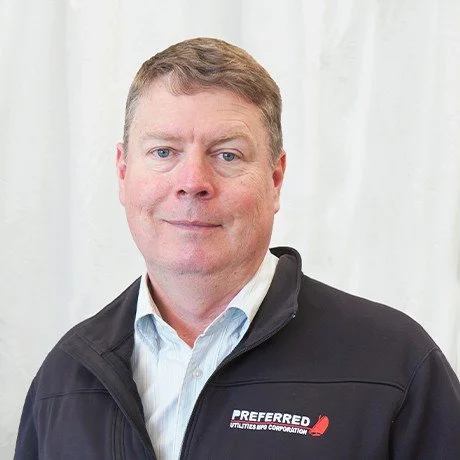
David Eoff, Vice President of Sales & Service
David Eoff is a mechanical engineer with 34 years of experience in the electric power, industrial boiler, and commercial fueling industries. He currently serves as Vice President of Sales and Service, where he specializes in the design and commissioning of diesel fueling systems for emergency generators and dual-fuel boilers. His work supports mission-critical applications across hospitals, universities, data centers, and secure government facilities.
Session Overview
This presentation will focus on the importance of true single-source responsibility in boiler system design and the practical techniques required to achieve it. We will discuss the value of having the burner, boiler, and control systems engineered as a coordinated package rather than assembled from mixed vendors and independent control platforms. Topics will include integrated fuel-air ratio control, draft control, and feedwater control, lead-lag control, and how bringing these functions into one unified control architecture improves stability, commissioning efficiency, and long-term serviceability. Attendees will gain insight into how a cohesive design approach reduces complexity in the field, simplifies troubleshooting, and allows one technician to effectively support the entire boiler system.
R.F. MacDonald
Hybrid Systems with Gas or Electric Boilers Plus Heat Pumps
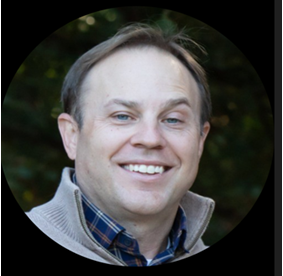
Matt MacDonald, Vice President of Sales
Matt MacDonald is a seasoned professional with a robust educational and career background. He earned his Bachelor’s degree in Economics from Standford University in 2003, followed by a Juris Doctorate from the University of Virginia in 2010. Matt’s early career included clerking for a federal judge in Alexandria, VA and working as an associate at a prominent law firm in Washington, D.C., before joining RFM in 2014.
At RFM, Matt started as a sales engineer in the Hayward office, where he focused on business development, collaborating closely with engineers and desgin/build contractors. His expertise and leadership skills quickly propelled him to the role of Business Development Manager for the HARP office in 2016, where he successfully built and managed the Business Development Team. By 2021 he was promoted to VP of Sales for the New Equipment Team. In this role, Matt launched significant partnerships with manufacturers like TACO and Galletti and continues to work directly with RFM’s manufacturers to develop sales strategies, build forecasts, monitor pipelines, implement training, and serve as the company’s key point of contact.
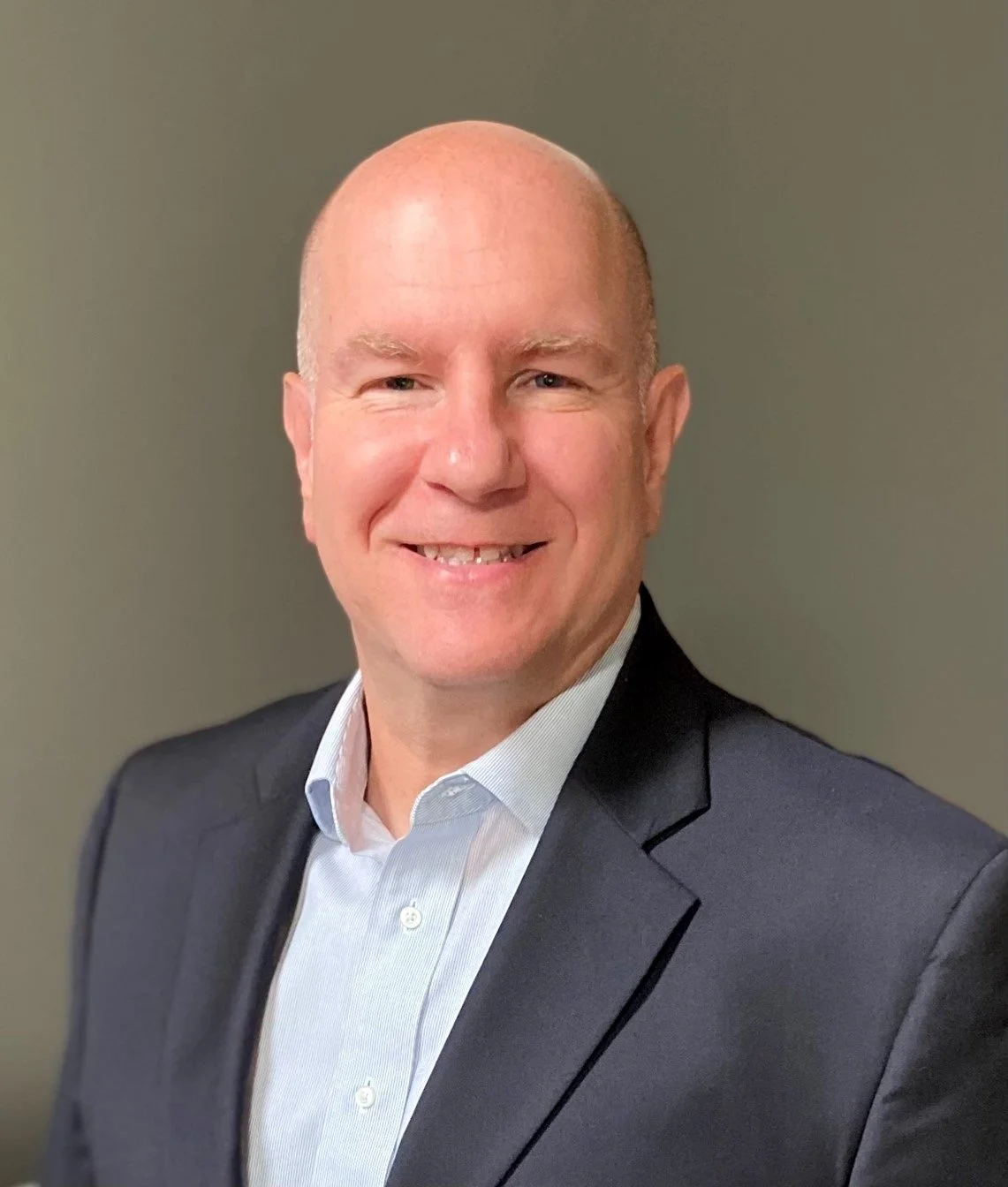
Chris Lane
Chris Lane is a Product Manager at Cleaver-Brooks with over 33 years of experience in the HVAC industry, specializing in boiler, burner, and control systems. He is not a biology teacher, but rather a technical expert who conducts training and educational webinars on hybrid solutions and, as shown in the video, boiler, burner, and controls for efficiency.
Session Overview
Burner Management Systems (BMS) are critical to ensuring the safe operation of boilers and combustion equipment. This session provides a foundational overview of the core safety principles that govern BMS design and operation, including sequencing, limit circuits, interlocks, and flame detection methods. Attendees will gain insight into how these systems function together to prevent unsafe operating conditions and protect personnel and equipment. The session will also address common risk areas, maintenance considerations, and troubleshooting challenges, reinforced by real-world examples that highlight how sequencing logic and flame detection choices impact safety, reliability, and code compliance in boiler operations.
Rogue Combustion
The Practical Use of CFD in Burner Development and Boiler Applications
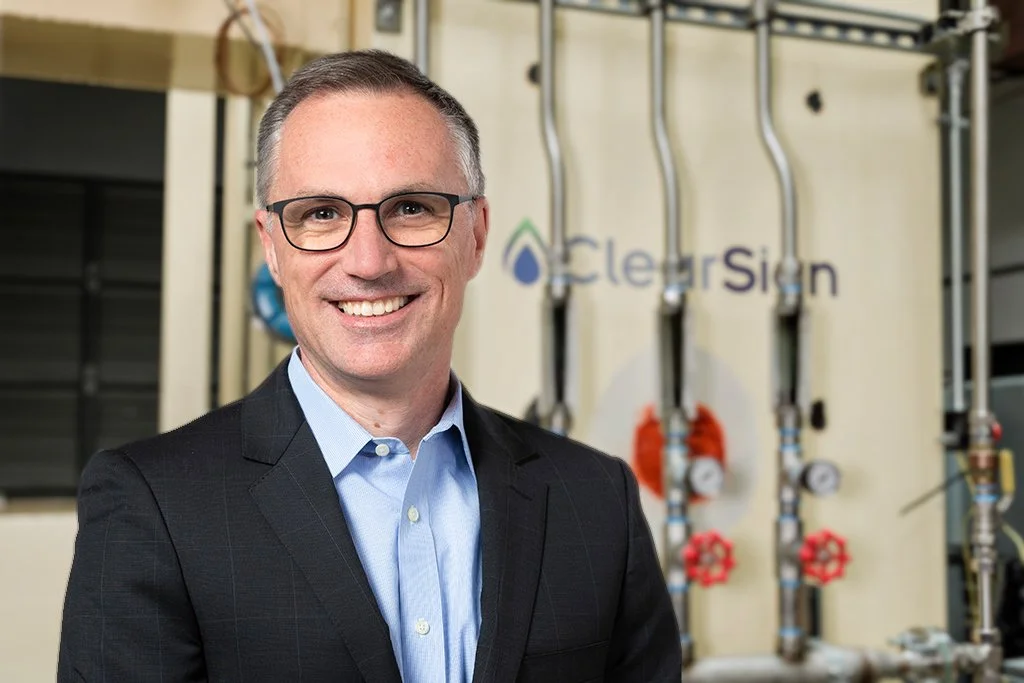
Matthew Martin
Matthew has over 20 years of experience in combustion-related industries, with experience in product development, business development, sales, and marketing. He has played a pivotal part in developing and launching innovative technologies that reduce NOx emissions, promote CO2 reduction, and enhance heat transfer. Matthew is the inventor or co-inventor for over 25 patents related to combustion, heat transfer, sensors, and data analysis for combustion.
Session Overview
As the boiler industry continues to focus on reducing carbon footprint and NOx emissions, understanding the interaction between burners and furnace geometry has become increasingly important. This session introduces the application of Computational Fluid Dynamics (CFD) modeling as a tool to evaluate burner performance, furnace design, and emissions outcomes before equipment is fabricated or installed. Attendees will learn how furnace dimensions and shape influence flame characteristics, heat transfer, and emissions formation. Through real-world case studies, the session will demonstrate how CFD modeling can be used to predict burner–furnace interactions and estimate NOx emissions in advance, enabling more informed design decisions, improved performance, and reduced risk during project implementation.
Steamworks
Top 10 Must-Have Skills for Boiler Operators
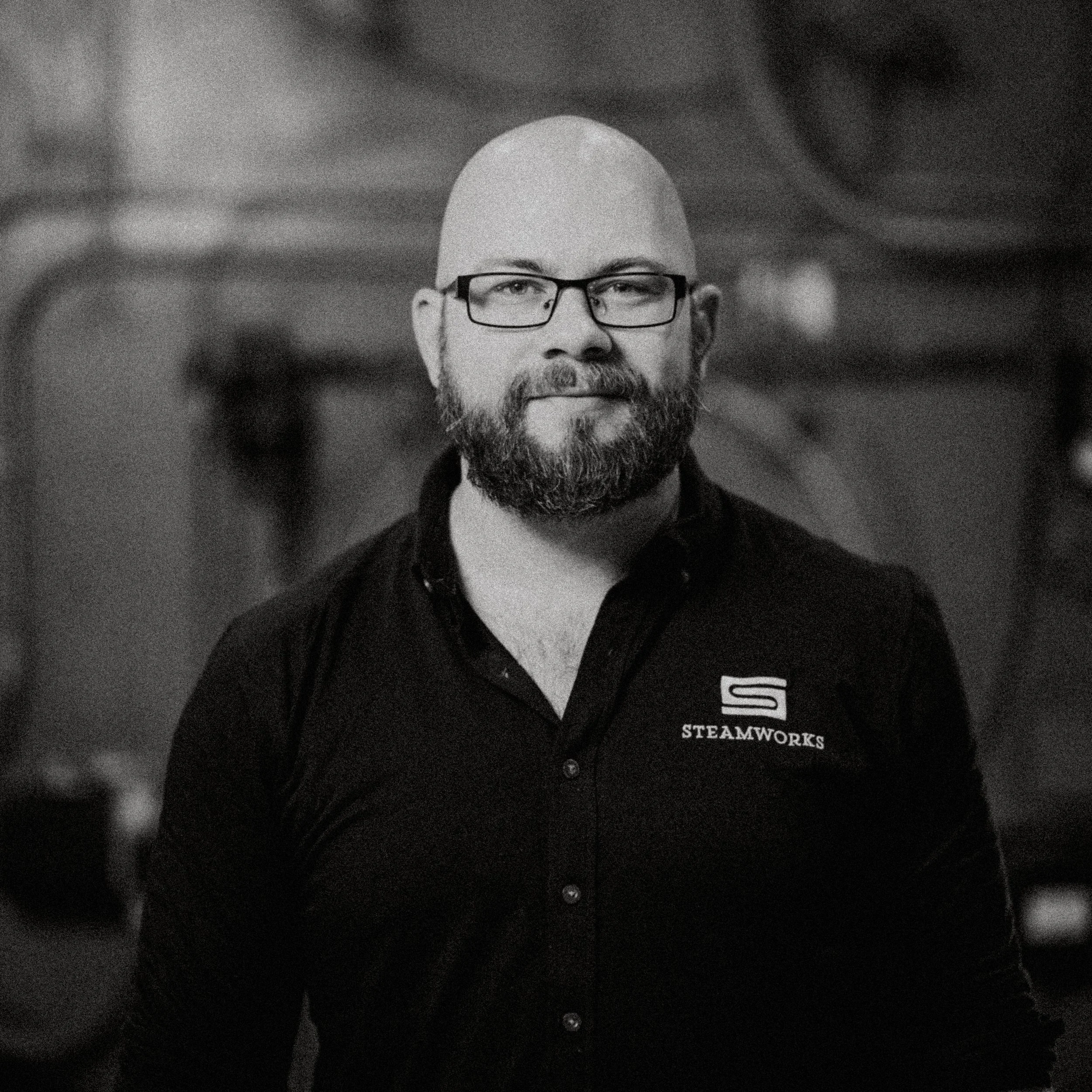
Jon Kapel, CEO
Jon Kapel is husband to his high school sweetheart and a father of four. In his free time, he is the CEO of Steamworks and author of Skill Stigma. Steamworks provides made-to-order training, consulting, and operations for steam systems across the US and beyond. He and hs team values imparting competency and confidence in steam boiler safety, operation and maintenance. Hundreds of 5-star reviews describe how Steamworks trainings leave students with renewed excitement about their role in the steam industry and how their approach to training is fresh. Beyond the steam industry, Jon’s book. Skill Stigma, breaks the myths about work in the skilled trades and informs educators on how to present the skilled trades to students as a viable career path for emerging generations. He enjoys sharing his story about being pleasantly hoodwinked into a career in the skill trades.
Session Overview
Boiler operators are the first line of defense in one of industry’s most critical and potentially hazardous environments. In this practical and thought-provoking session, Jon (who has been a real life boiler operator!) reveals the top ten essential attributes every operator must possess to ensure safe, efficient, and reliable operation.
Drawing from ASME, NFPA, ABMA guidelines, and decades of real-world experience, the presentation is organized into three key categories:
Intellectual & Philosophical Foundations – the “why” behind safe operation
Disciplinary Practices – the daily habits that prevent incidents
Tool-Related Proficiencies – the practical equipment and skills that get the job done
Attendees will leave with an actionable checklist they can implement immediately, plus renewed appreciation for the operator’s vital role in protecting people, equipment, and the environment. Perfect for operators, supervisors, maintenance teams, and plant managers.
Weishaupt
Combustion Theory, Low NOx Legislation and Low NOx Burner Technology
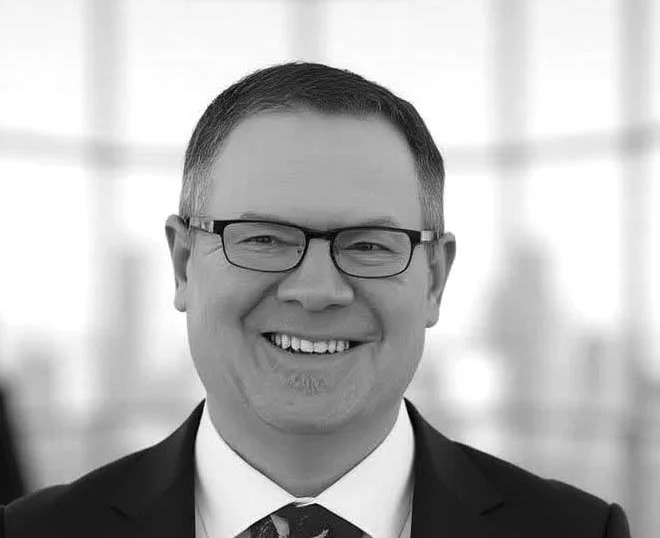
Robert Reid, Manager of Technical Services & Training
With 30 years in the burner and burner related industry locally, in Europe and across North America, Robert’s industry knowledge is derived from years spent in technical sales, applications, education and R&D. Robert is currently the Manager of Technical Services and Training with Weishaupt Corporation in Mississauga, Ontario, Canada.
Session Overview
Reducing NOx emissions remains a key regulatory and operational challenge for the boiler industry. This session provides an overview of fundamental combustion theory, with emphasis on the primary mechanisms that contribute to NOx formation. Attendees will examine how evolving low-NOx legislation has influenced burner design and technology development. The session will compare common low-NOx burner technologies, explaining how each achieves emissions reductions and the conditions under which they perform best. Participants will also gain insight into how burner selection impacts overall plant performance, regulatory compliance, and operational trade-offs, enabling more informed decision making during system design and upgrades.
Superior Boiler
Firetube vs. Watertube: The Right Boiler Type for Your Application
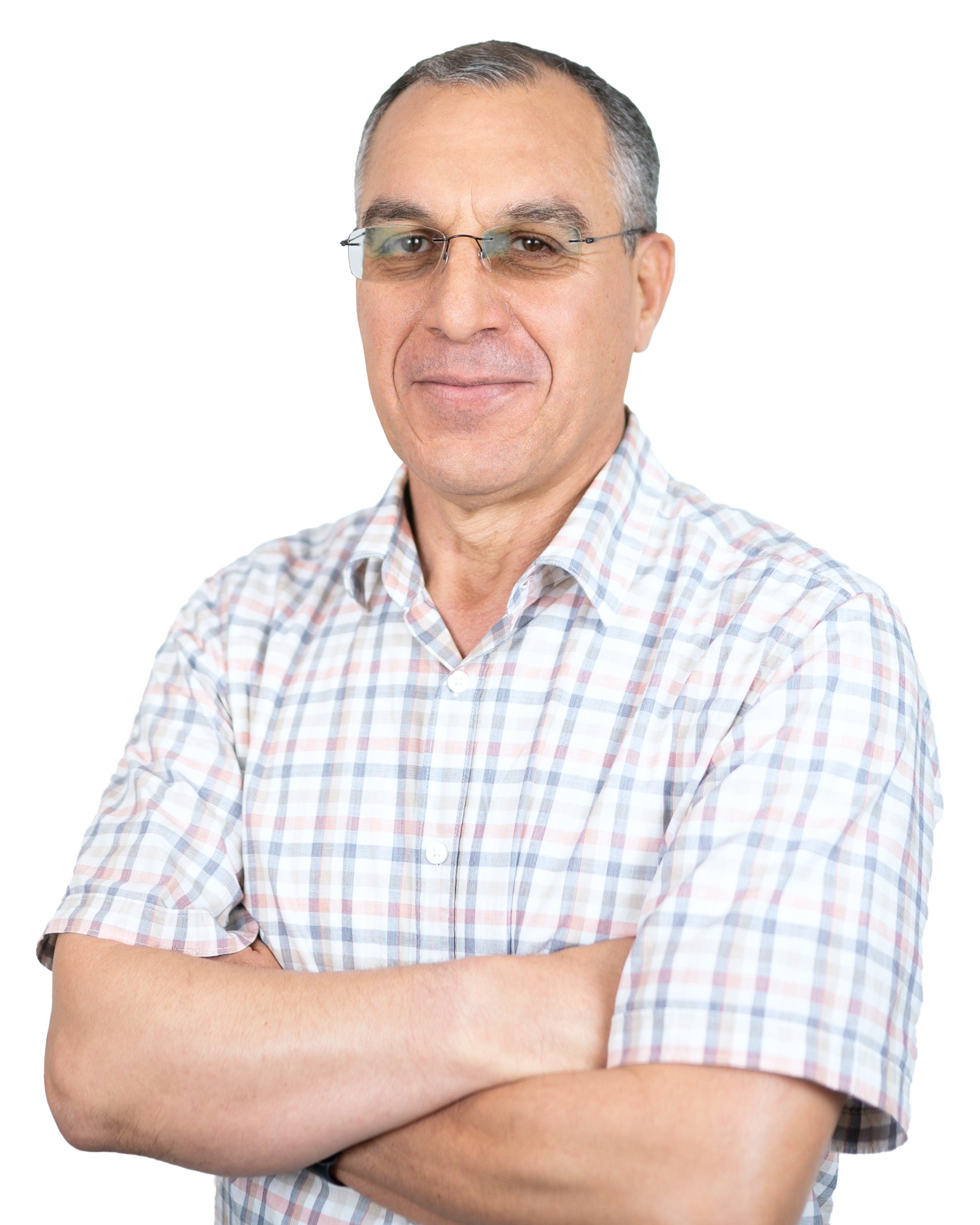
Mokhtar Matallah, Vice President of Engineering
Mokhtar Matallah is Vice President of Engineering at Superior Boiler Works, Inc., where he leads engineering efforts for firetube and industrial boiler solutions. Based in Hutchinson, Kansas, he brings extensive technical leadership to the company’s product design and development, helping drive quality and performance in engineered energy systems. He holds a degree from the University of Tulsa and combines industry expertise with a commitment to innovation in boiler engineering and manufacturing.
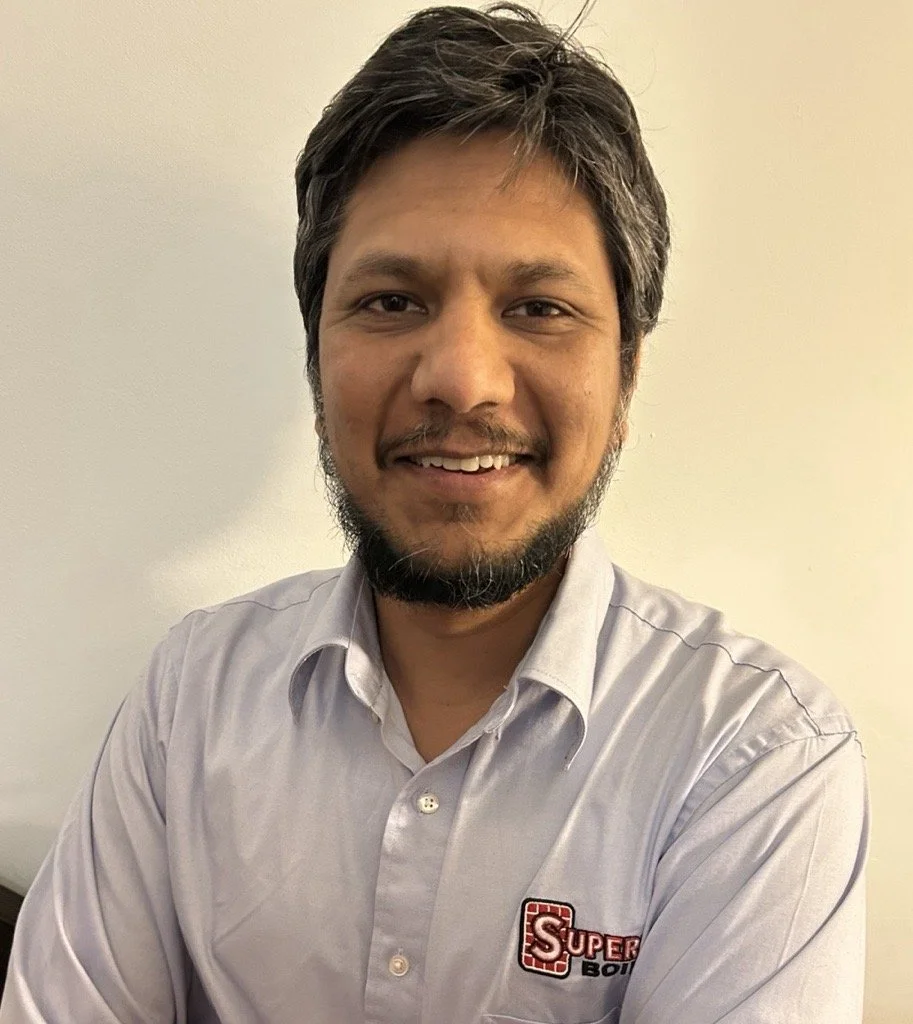
Sundeep Bodapati, Vice President of Engineering for the Watertube Division
Sundeep Bodapati serves as the Vice President of Engineering for the Watertube Division of Superior Boiler. Over the past 15 years, Sundeep and his team have specialized in developing innovative custom designs for industrial watertube boiler applications, securing multiple U.S. patents for watertube boiler advancements. He combines multinational agility, extensive industry experience, and strong mechanical engineering knowledge, to deliver consistently reliable and specialized products to the customers.
Session Overview
Understanding the differences between Firetube and Watertube boilers is critical to selecting the right solution for your application. Firetube boilers are designed to deliver reliable performance, lower installation and maintenance costs, and simplified operation for the majority of commercial and industrial steam users. In contrast, Watertube boilers are typically applied in very high-pressure and large-capacity utility or process environments where their design supports extreme operating conditions. Join us to discuss how Firetube and Watertube technology differs and compares with specific attributes that drives the selection process.
NBBI
Properly Preparing a Boiler for Inspection Panel
MODERATOR
John Burpee, Past Chief Maine, Past Chairman of the National Board, and current National Board Jurisdictional Liaison
PANELISTS
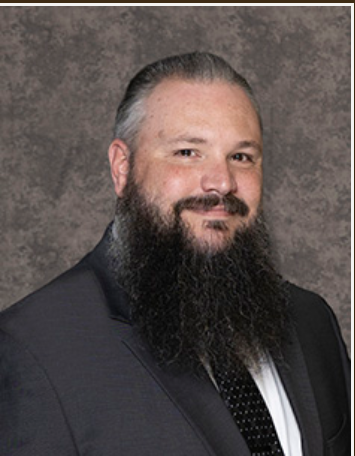
Jimmy Watson, Chief Boiler Inspector State of Tennessee
Jimmy Watson is the Chief Boiler Inspector for the State of Tennessee, where he oversees boiler and pressure vessel safety and compliance statewide. After completing an apprenticeship with the Tennessee Department of Labor and Workforce Development, he advanced to his current role, leading a team of 18 inspectors and apprentices responsible for conducting critical safety inspections across a wide range of facilities. In addition to managing inspections and mentoring the next generation of inspectors, Watson represents Tennessee on the National Board of Boiler and Pressure Vessel Inspectors, contributing to national dialogue and standards that support public safety and regulatory excellence within the boiler industry.
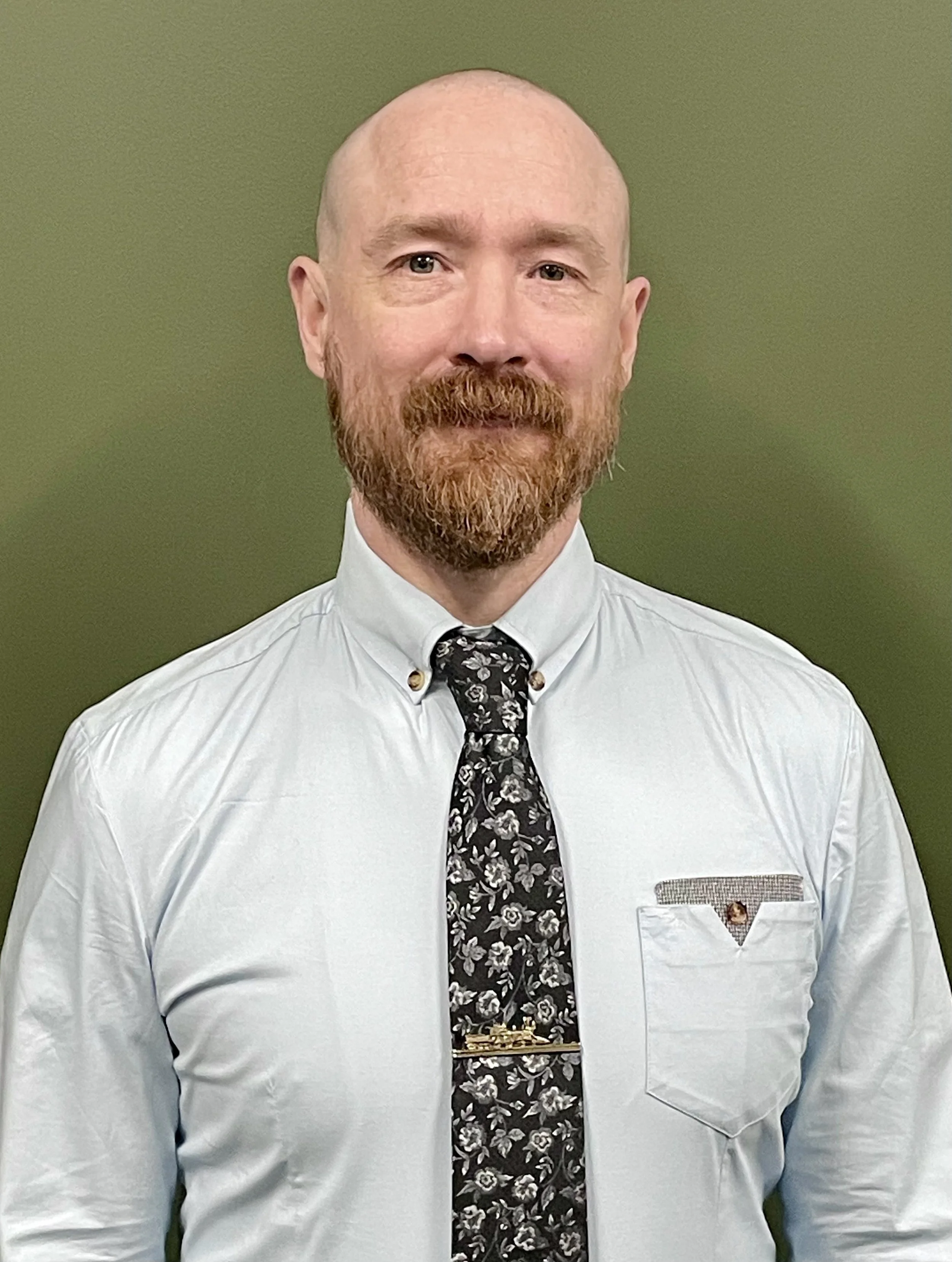
Alexander Cass, Asst. Chief Boiler Inspector State of Tennessee
Alexander Cass is the Assistant Chief Boiler Inspector for the State of Tennessee. His role involves overseeing the inspection process for boilers and pressure vessels, ensuring compliance with safety regulations and standards. Cass is part of a team that conducts inspections, issues certificates, and manages the licensing of repair and erection companies in Tennessee. The Boiler Unit is responsible for protecting the public from potential hazards associated with the operation of these devices. For more information on the inspection process, licensing, and other related matters, individuals can refer to the official Boiler Unit website or contact the unit directly.

Ed Verderose, Vice President – Business Development, Industrial Steam Boiler Corporation
Edward Verderose Jr. is Vice President of Business Development at Industrial Steam Boiler Corporation, where he focuses on commercial and industrial boiler safety, code compliance, operational efficiency, and sustainability initiatives. He brings decades of hands-on and leadership experience across boiler design, installation, integration, and operation, and is a frequent national speaker and technical trainer. Edward serves on the ABMA Board of Directors and is actively involved with the National Board of Boiler and Pressure Vessel Inspectors (NBBI), contributing to the advancement of best practices and the future of the boiler industry.
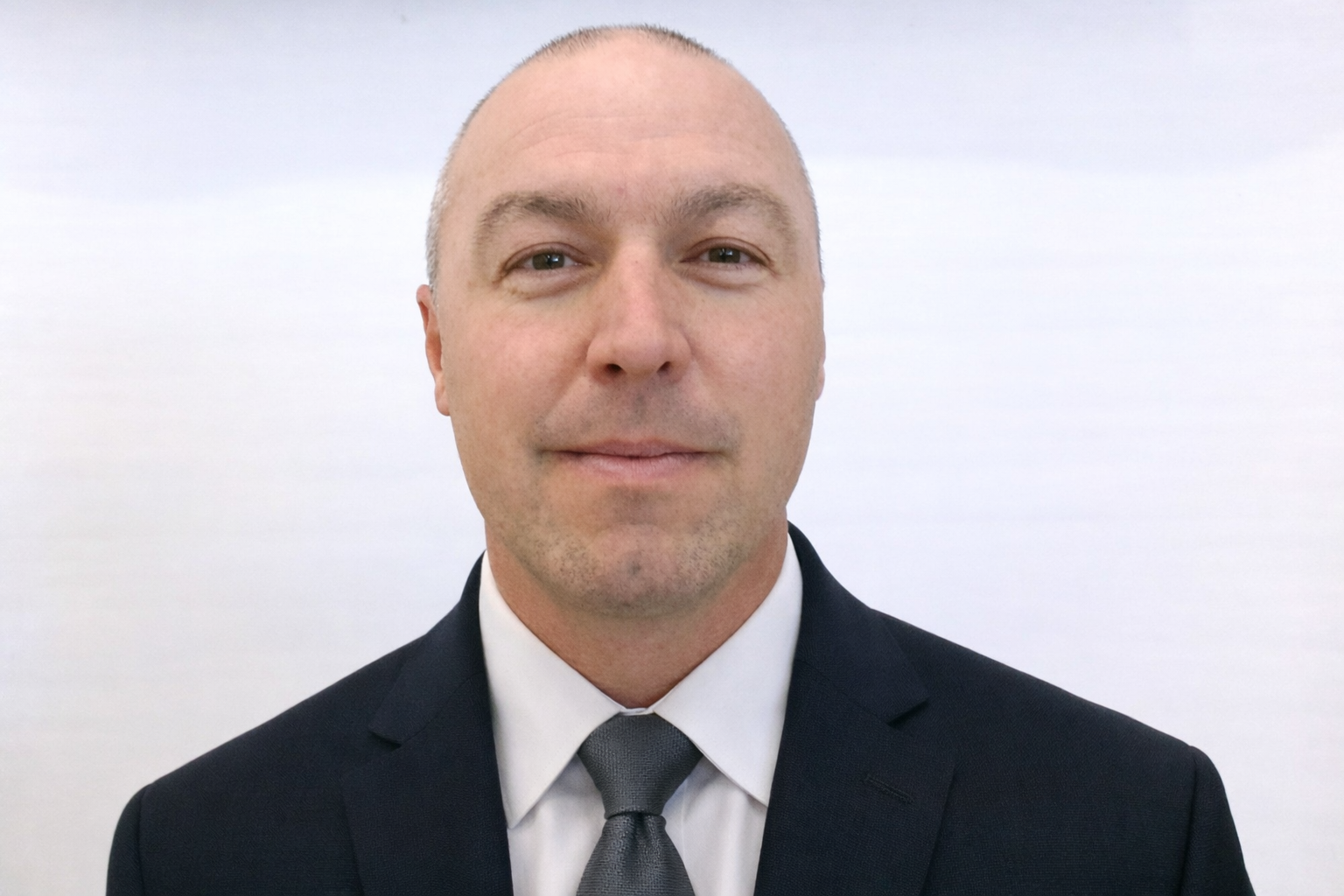
William (Dirk) Chandler, Loss Control Inspector, Hartford Steam Boiler
My steam boiler experience began at a young age, driven by a passion for historic steam locomotives. In 2000, I was hired as a locomotive fireman, shoveling coal to feed the boilers, and was promoted to steam locomotive engineer in 2001. While working with various railroads, I gained experience in locomotive rebuilds, railcar maintenance, track replacement, and eventually led the machine and fabrication shop. In 2009, I joined Hartford Steam Boiler as a Loss Control Inspector, a position I continue to hold today. My wife, April, and I own and operate a farm in East Tennessee where we maintain several historic steam boilers, including sawmill engines, a steam roller, and a steam-powered machine shop. Together, we also constructed and operate a full-size railroad on our property for friends to enjoy. I have held the AI boiler commissions in both Tennessee and Kentucky since 2009.
Session Overview
Proper preparation for boiler inspections is essential to ensuring compliance, minimizing downtime, and maintaining safe operation. This panel session provides an overview of Tennessee-specific boiler inspection requirements, including adopted codes, regulatory expectations, and key compliance considerations. Panelists will also discuss general best practices for preparing a boiler for inspection, including documentation, internal and external preparation steps, and common deficiencies that can delay approval. In addition, the session will offer insight into how inspectors operate across different jurisdictions nationwide, highlighting similarities, differences, and practical tips to help facilities successfully navigate the inspection process.
Shoplogix
Innovative Steam Trap Monitoring: Battery-less & Wireless
Todd Klanderud
Highly skilled and dedicated professional with over 30 years of combined experience in mechanical systems, specializing in steam systems for over two decades. Brings a disciplined background from U.S. Navy service into a robust career as a Steamfitter and steam systems specialist. Expert in the installation, maintenance, troubleshooting, and monitoring of complex industrial steam and piping systems. Proven ability to improve system efficiency, reliability, and safety across a vast array of demanding industries. A strong problem-solver committed to customer education and achieving operational excellence.
Session Overview
Steam trap failures often go undetected, leading to energy loss, increased operating costs, and potential safety risks within steam systems. Traditional monitoring and inspection methods can be labor-intensive, limited in visibility, and slow to identify developing issues. This session examines the hidden costs and risks associated with poorly performing steam traps and explores why conventional solutions frequently fall short. Attendees will be introduced to innovative, battery-less and wireless monitoring technologies that enable continuous condition monitoring, improved data visibility, and proactive maintenance strategies, helping facilities reduce losses, improve system reliability, and enhance overall steam system performance.
Gaylord Opryland
New Technology & Updates in the Gaylord Opryland Boiler Room
Jimmy Thompson, Assistant Director of Engineering at the Gaylord Opryland
Session Overview
Large, high-demand facilities like Gaylord Opryland Resort & Convention Center require reliable, efficient, and forward-thinking boiler systems to meet constant heating, hot water, and operational needs. This session will explore how new technologies and system upgrades were implemented to improve boiler efficiency, optimize performance, and support sustainability goals within a complex hospitality environment.
Rather than focusing solely on equipment replacement, this presentation will highlight advancements such as smart controls, monitoring systems, burner upgrades, heat recovery integration, and system optimization strategies. Attendees will gain insight into how modern technology can enhance efficiency, reduce fuel consumption, improve reliability, and extend asset life—while minimizing downtime in a large, always-operating facility.
Real-world lessons learned, implementation challenges, and measurable performance improvements will be shared to help attendees understand how similar upgrades can be applied in their own facilities.
ABMA
Preventative Boiler Maintenance Routine
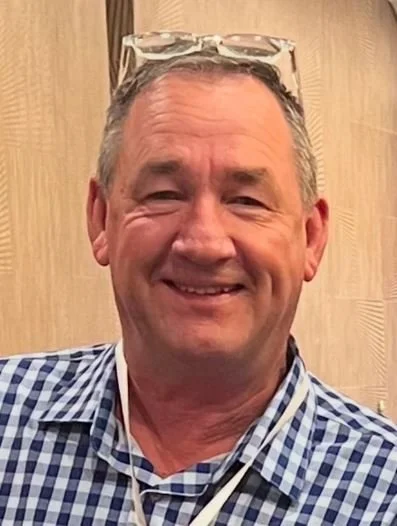
Kevin Day, ABMA’s Technical Consultant
Kevin Day is a Retired Training manager from a Major Boiler Manufacturing company. He has over 36 years of experience in the Boiler industry. Kevin held multiple positions including Manufacturing, Engineering and Training. The last 16 years, Kevin was the Training Manager travelling domestically and internationally to specific onsite companies. Kevin has done many seminars throughout the country working with other suppliers and organizations assisting in the Training and Education of Boiler Operators and Maintenance personnel. The Focus of the training sessions is about Operations, Maintenance and Safety of your Boiler Room needs.
Session Overview
Preventative maintenance is the foundation of safe, efficient, and reliable boiler operation—yet many facilities struggle with consistency, documentation, and long-term planning. This session provides a clear, structured approach to boiler maintenance by walking through daily, weekly, bi-weekly, monthly, and annual best practices required to maintain optimal performance and compliance.
Kevin Day will outline what operators and maintenance teams should be checking at each interval, why each task matters, and how small oversights can lead to major failures, costly downtime, or safety risks. From water level verification and blowdown procedures to combustion checks, safety device inspections, and annual shutdown planning, attendees will gain a comprehensive roadmap for establishing or refining a preventative maintenance program.
This presentation bridges operational fundamentals with real-world experience, giving participants practical tools to improve reliability, extend equipment life, and protect both personnel and assets.
CleaverBrooks
Transforming Data into Efficient Operations: The Role of Smart Technology
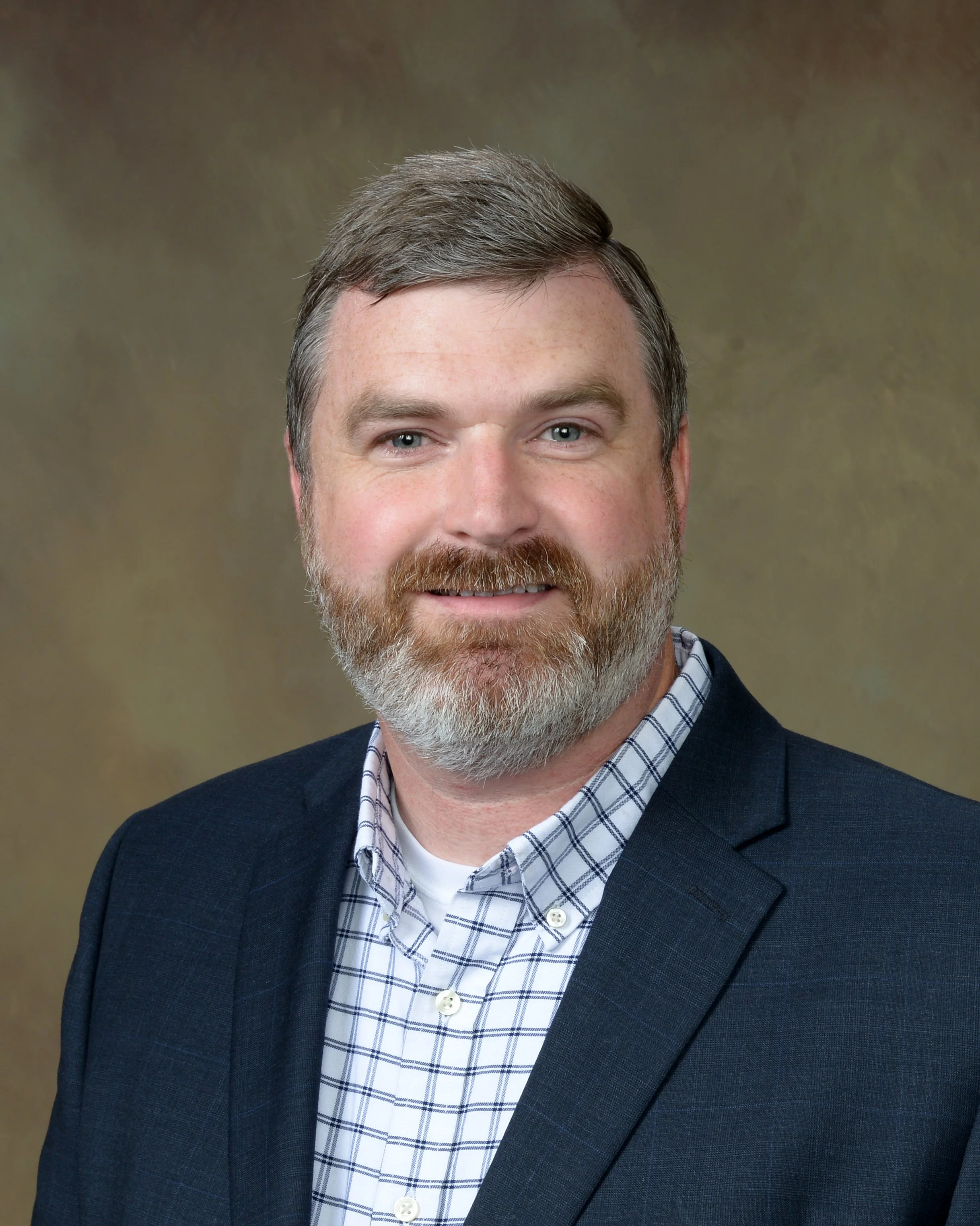
Terry Conger, Customer Success Manager, Cleaver-Brooks
Terry Conger serves as Customer Success Manager for Cleaver-Brooks, where he works with industrial and institutional facilities to advance connected boiler room strategies that improve reliability, safety, and operational performance. With more than 25 years of experience in electrical systems and industrial controls — beginning as an installation electrician and advancing into leadership roles within the packaged boiler industry — Terry blends field expertise with a strategic understanding of digital twins, IoT, and operational intelligence. His focus is helping organizations translate connected technologies into practical, measurable improvements in steam and hot water operations across the full equipment lifecycle.
Session Overview
As industrial facilities continue to modernize, boiler rooms are evolving from automated systems into intelligent operational assets. Advances in connectivity, real-time data visibility, and digital twin concepts are enabling deeper insight into equipment behavior and long-term performance.
This session explores how digital twins and operational intelligence are reshaping boiler system strategy. Attendees will gain perspective on how virtual representations of physical assets enhance decision-making, strengthen operational awareness, and support lifecycle optimization within connected facilities. The discussion will focus on emerging trends, practical implementation considerations, and the growing role of integrated data environments in modern boiler operations.
Nolen Energy Management
Challenges & Solutions in Energy Management

Sharon Nolen
Sharon Nolen has spent more than three decades advancing energy efficiency and sustainability in the chemicals industry, working closely with government, academic, and industry partners. She now consults independently through Nolen Energy Management. Sharon recently retired from Eastman after 36 years, where she served as an Eastman Fellow and program manager for Global Natural Resource Management. During her time at Eastman, she helped guide the company’s energy strategy and contributed to initiatives that earned recognition such as multiple ENERGY STAR® Partner of the Year awards, ACC energy efficiency honors, and U.S. Department of Energy Better Project and Better Practice Awards.
In 2024, the U.S. Department of Energy appointed Sharon as Chair of the Industrial Technology Innovation Advisory Committee. She has also served on the inaugural Industrial Advisory Board for the National Alliance for Water Innovation. Sharon has authored numerous publications, presented at conferences across the industry, and has been recognized with awards including the Association of Energy Engineers’ International Energy Manager of the Year (2019) and the AIChE Energy and Sustainability Award (2020). She is a Professional Engineer and a Certified Energy Manager.
Sharon remains actively engaged in efforts to advance practical, effective approaches to industrial energy efficiency and sustainability.
Session Overview
Industrial companies increasingly recognize that energy efficiency is essential for lowering operating costs, strengthening long‑term resilience, and reducing emissions. Yet even with clear motivations and proven technical solutions, many organizations struggle to make and sustain progress. As reflected in industry voices, barriers often stem from misaligned priorities, limited resources, and difficulty engaging employees at all levels. This presentation outlines the core elements of a successful industrial energy management program, emphasizing the importance of structured processes, benchmarking, employee engagement, and strong leadership. It highlights established frameworks such as ISO 50001, DOE’s 50001 Ready, and Superior Energy Performance, which provide systematic approaches for achieving and maintaining energy savings. The discussion also explores strategies for designing efficiency into future operations, recognizing and motivating employees, and navigating organizational challenges such as maintenance constraints, sunk costs, and competing operational pressures. Sustained success requires consistent commitment, creative problem‑solving, and a culture that values continuous improvement. By understanding the “why,” leveraging the available “how,” and addressing persistent obstacles, companies can make meaningful, lasting gains in energy performance.
Modern Industrial Combustion Solutions, LLC
Boiler Room Safety & Operation for the Modern-Day Technician
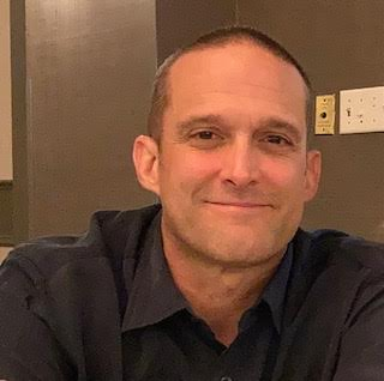
Jerry (Jay) Wills, Owner of Modern Industrial Combustion Solutions, LLC
Jerry (Jay) Wills has 39 years in the HVAC and Boiler Industry. For the last 30 years he has specialized in industrial and commercial boiler markets. Jerry is an active member and UA instructor of local 520 Plumbers, Pipefitters and HVAC Technicians teaching 2nd and 4th year apprentices about boilers, burners, and associated boiler room equipment. MICS provides troubleshooting, service, and maintenance on boilers, burners, and boiler room equipment.
Session Overview
This session will cover the essential safety and operational practices every modern boiler technician should understand. Attendees will review proper personal safety attire, key boiler room and burner safety best practices, and conclude with guidance on correct daily blowdown procedures and efficient steam boiler operation to ensure safe, reliable performance.
Northern Blower
Fundamentals of Fan Selection and Application in Boiler Systems
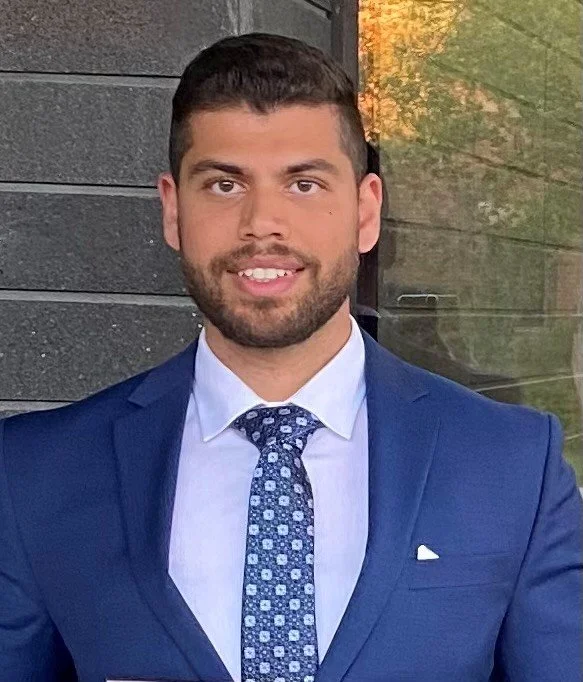
Asfand Wahid
Asfand Wahid is the Industrial Power Market Lead at Northern Blower, where he supports boiler OEMs, EPC firms, and plant operators with fan solutions for combustion air, draft, and flue gas handling. With a background in electrical engineering and experience in technical sales and application engineering, he brings practical insights on how fans impact boiler efficiency, reliability, and compliance.
Session Overview
Fans play a critical yet often underestimated role in boiler system performance. From supplying combustion air to exhausting flue gases, properly selected and applied fans directly impact efficiency, emissions, safety, and overall system reliability. However, incorrect sizing, misapplication, or overlooking system resistance can lead to vibration issues, wasted energy, unstable combustion, and premature component failure.
This session will cover the core principles of fan selection and application within boiler systems, including airflow requirements, static pressure considerations, system curves, fan curves, motor sizing, and control strategies. Attendees will gain a better understanding of the differences between forced draft, induced draft, and combustion air fans, as well as how design decisions affect operational performance.
Practical examples will demonstrate common mistakes in fan selection and provide guidance on avoiding inefficiencies while ensuring long-term system stability and safety.
The First Five Minutes: Using Your Senses to Discover Hidden Dangers in the Boiler Room
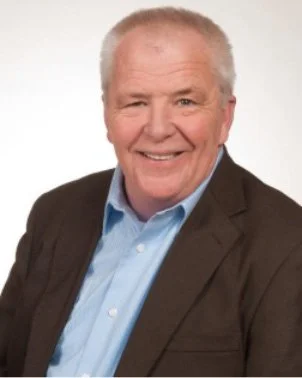
Ray Wohlfarth
Ray Wohlfarth is president of Fire & Ice Heating & Cooling in Pittsburgh, PA. He is an international author of sixteen books and his articles have appeared in Plumbing; Mechanical, Mechanical Business, RSES, PM Engineer, HeatingHelp.com, Master Brewers Association, National Board Bulletin, Green Building Research, and Engineered Systems Magazines. His You Tube channel; Boiler Room Detective has 95 videos on troubleshooting steam and hydronic heating systems. He is currently on the board of directors for WV ASHRAE and WV APPA and past president of Pittsburgh ASHRAE. Ray taught boiler classes for ASHRAE, RSES, Hospital Engineers, NAPE, Operating Engineers Steamfitters, BOMA, IFMA, APPA, Heat Spring.
Session Overview
In this engaging and practical session, Ray—known as the Boiler Room Detective from his popular YouTube channel—will walk attendees through what the first five minutes in a boiler room should really look like. Before gauges are checked or tools are picked up, there are critical clues your senses can reveal. Through real-world stories and field-tested techniques, Ray will demonstrate how using sight, sound, smell, and instinct can uncover hidden hazards, prevent costly failures, and improve overall safety. Attendees will leave with a sharper awareness and a simple, repeatable approach they can immediately apply in the field.
MSS Solutions, LLC
Combined Boiler Plant Operations & Efficiency Options
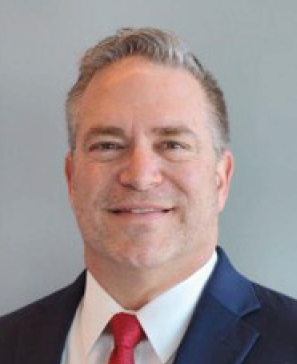
Eddie Massie, Project Executive – National
Eddie was born in Virginia Beach, VA in 1973 and remained there until going to college at Virginia Polytechnic Institute and State University. Upon graduating, he earned a Bachelor of Science degree in Aerospace Engineering and went on to join the Navy. While in the Navy, he started out in flight school in Pensacola, Florida and was selected to fly in the back seat of F-14 Tomcats as a Radar Intercept Officer. He did this for about four years before switching to the Civil Engineer Corps, where he served for the next seven years until leaving the Navy. While in the Civil Engineer Corps, he gained experience in Property Management and Construction Project Management. After leaving the Navy, Eddie moved to Charlotte, NC and has held multiple positions in Facility/Property Management, Construction Project Management, and Energy/Sustainability Management. Currently, he is with MSS Solutions as a Project Executive for the National Group. As an owner, Eddie brings over 20 years of combined experience in Commercial Property/Construction Project Management and Energy/Sustainability Management

Anthony Ragghianti, Director of Operations - National
Anthony joined the MSS team 7 years ago. With a background in critical facility operation and energy system maintenance and reliability, Anthony transitioned into project management for MEP construction projects. He has led a team of qualified engineers and project managers to deliver sustainable MEP solutions across the USA and internationally. Anthony and his team are passionate about improving performance, saving energy, and increasing reliability. They provide the following offerings for facility mechanical, plumbing, fire life safety, security, electrical, and controls systems:
Turnkey Design-Build Construction – A one-stop solution for design-build construction and installations, covering the entire process from design through commissioning.
Survey – Evaluating systems and identifying cost-effective solutions, including performing energy auditing services and system assessment consulting.
Project Development – Designing projects with the most effective scope, the right equipment, and the best contractors to ensure expected results, while also exploring and coordinating utility rebate opportunities and financing options.
Quality Assurance – Overseeing construction projects to ensure quality while managing scope, schedule, and budget.