
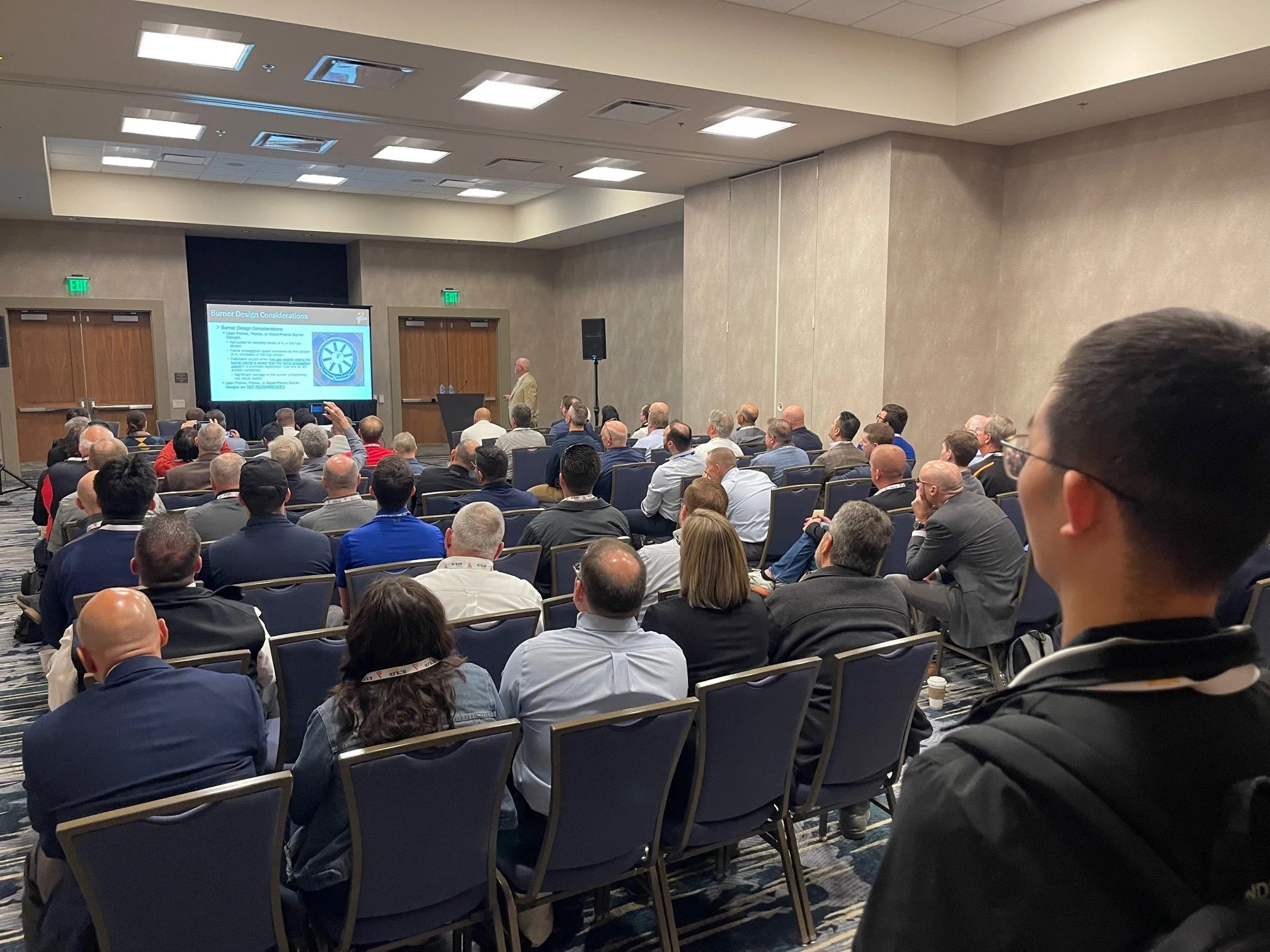
Pre-Conference
Boiler Water Treatment Workshops
Presented by AWT – The Association of Water Technologies
Track 1
The Economics of Boiler Water Treatment: Uncovering the True Cost of Operation and the Key Drivers of Safety and Efficiency.
Track 2
Boiler Feedwater: Conditioning Techniques That Keep Your System Safe, Efficient, and Long-Lasting.
Track 3
Waterside Boiler Failures and How to Prevent Them: A Practical Guide to Common Causes and Proven Prevention Strategies.
Track 4
Regulatory Compliance in Boiler Water Treatment: Standards, Guidelines, and Operational Excellence.
Track 1
The Economics of Boiler Water Treatment: Uncovering the True Cost of Operation and the Key Drivers of Safety and Efficiency.
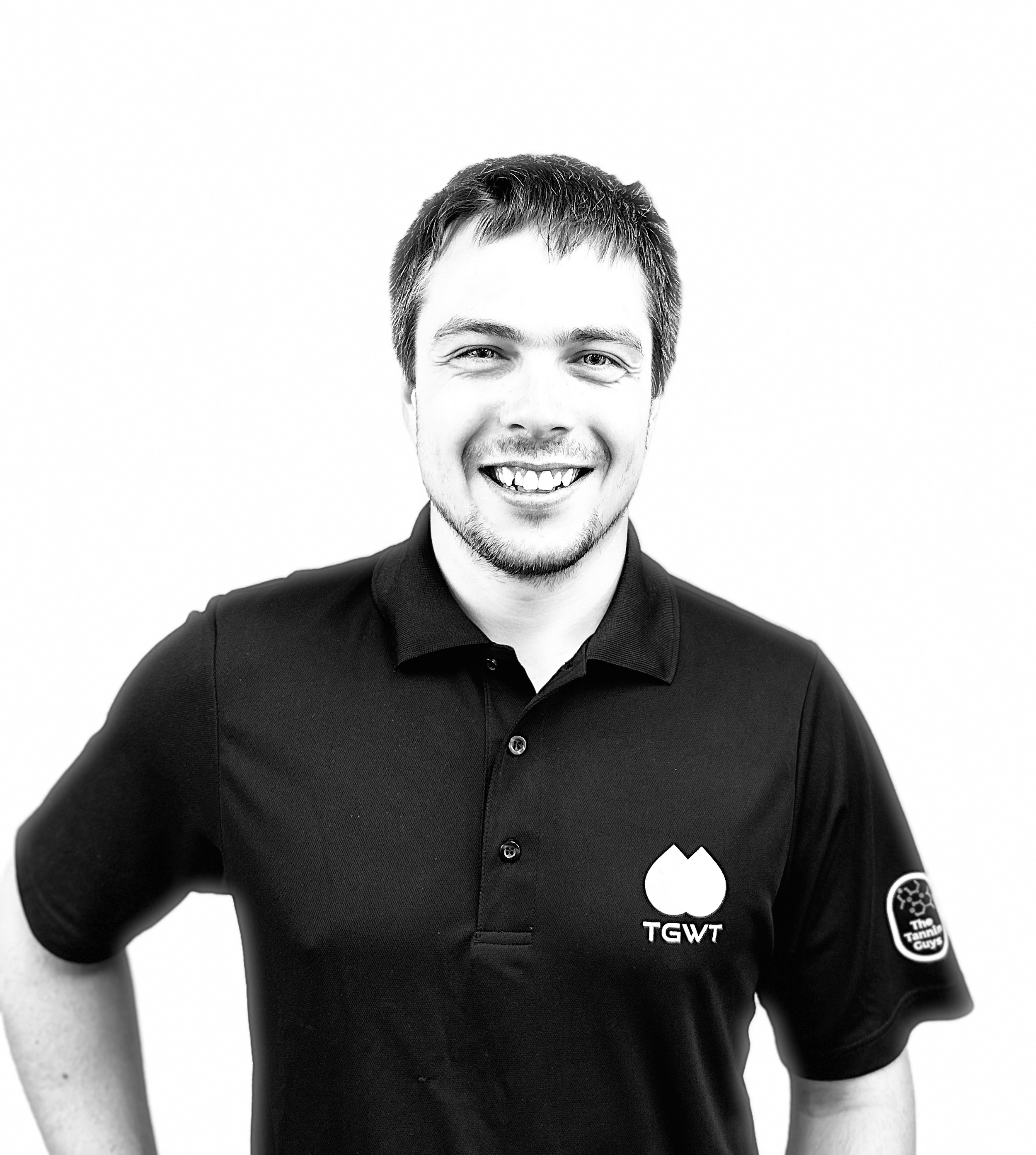
Trainer: Steve Jobin, TGWT/The Tannin Guys
Steve holds a Master’s degree in Medicinal Chemistry (2017) and an MBA in Corporate Social Responsibility (2020) from Laval University in Quebec City. His academic work resulted in three peer-reviewed publications, and his thesis received an honorary mention. Since entering the water treatment industry in 2017 with a local firm, Steve has built a solid track record in both technical and commercial roles. He joined TGWT Clean Technologies in 2018 as a Technical Advisor, where he focused on customer support and business development for bio-sourced water treatment solutions in steam and hot water boiler systems. In 2021, he joined TGWT’s leadership team, and in 2023, he was appointed Area Manager, overseeing the growth and support of The Tannin Guys distributor network across North America.
Steve is an active member of the Association of Water Technologies (AWT) and has served on its Boiler Subcommittee since 2023. After attending the 2024 Boiler Expo in Denver, he identified a gap between water treatment providers and boiler OEMs and representatives. To help bridge this divide, Steve proposed and now serves as AWT’s Related Trade Organization (RTO) liaison to the American Boiler Manufacturers Association (ABMA), promoting stronger collaboration between the two sectors.
Abstract
Boiler performance and safety depend heavily on effective water treatment, yet its true impact is often underestimated. Hidden costs—ranging from energy losses and unplanned downtime to reduced equipment life—can erode profitability and reliability. Beyond chemicals and technology, success requires the guidance of a professional water treater who can adapt programs, monitor results, and address risks before they escalate. This presentation explores the economics of boiler water treatment, highlighting the key drivers of efficiency and safety. Attendees will gain practical strategies to reduce operating costs while recognizing the essential role of human expertise in achieving operational excellence.
Track 2
Boiler Feedwater: Conditioning Techniques That Keep Your System Safe, Efficient, and Long-Lasting
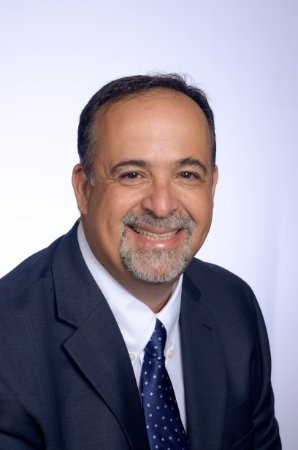
Trainer: Michael Bourgeois (ASSE 12080, CWT). Chemco Products Company
Michael Bourgeois, CWT, ASSE 12080, is a chemical manufacturing and application professional and Chemco Products Company’s Director of Technical Operations. Mr. Bourgeois has more than 30 years' experience in the development and application of formulated chemicals used to treat water in heat transfer systems, membrane systems, and wastewater systems. In addition to treating water, he is a member of the Cooling Technology Institute and the Alliance for Chemical Distribution, serving on a number of committees for both organizations. As a member of the Association of Water Technologies, Michael is a Past President, and currently chairs the Related Trade Organization Committee, serves as liaison to both the Cooling Technology Institute and the Water Management Society (UK), serves on the AWT’s Legislative Affairs Committee and is a trainer on the Technical Training Committee. He may be contacted at mbourgeois@chemcoprod.com.
Abstract
Boiler feedwater conditioning is the foundation of safe and efficient boiler operation. This training aims to demystify the pretreatment process—covering techniques such as filtration, softening, demineralization, and deaeration—and explains how each step protects against scale, corrosion, and system failure. Participants will learn how proper pretreatment improves heat transfer, reduces chemical demand, and extends equipment life. This session empowers operators and technicians to make informed decisions that enhance reliability, reduce downtime, and support long-term operational excellence.
Track 3
Waterside Boiler Failures and How to Prevent Them: A Practical Guide to Common Causes and Proven Prevention Strategies
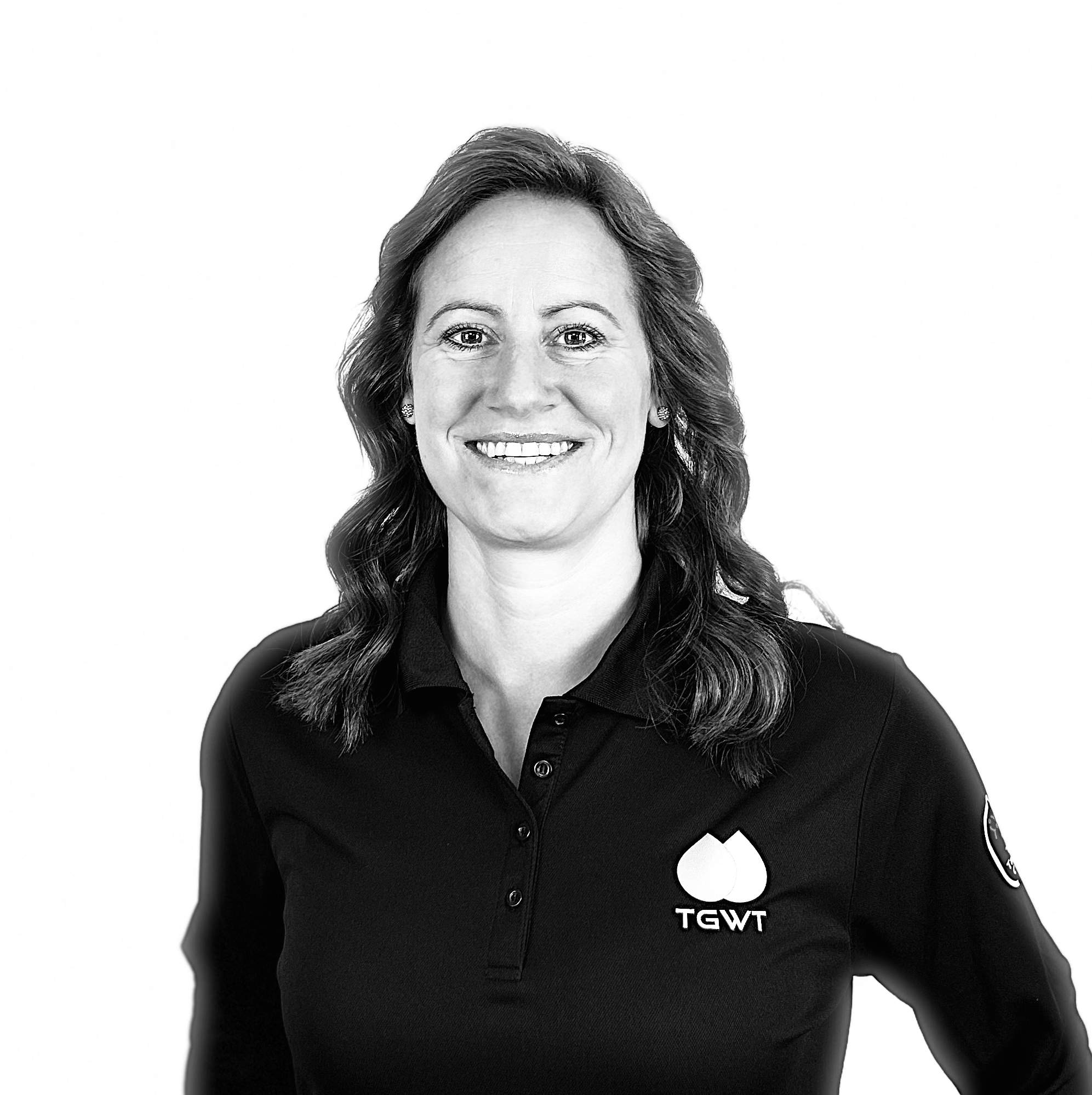
Trainer: Cheryl Heiser, TGWT/The Tannin Guys
Cheryl Heiser is a chemical engineering graduate with over 20 years of experience in boiler construction, service and maintenance, water treatment, product line management and analytical testing. Her early career was spent crawling inside boilers identifying mechanical or corrosion problems, performing operational testing to optimize temperature profiles and emissions, and assisting with commissioning activities on new installations. Cheryl’s water treatment experience spans account management, water testing, resin analysis and corrosion coupon analysis. Prior to her current role, Cheryl worked as the Technical Director for a regional water treatment service company operating in Quebec and Ontario, where her responsibilities included managing the product line, regulatory submissions, technical support and servicing customers. Cheryl is currently the International Business Development Manager for TGWT-The Tannin Guys where she supports distributors and partners in the US and abroad. Through this diverse range of roles, Cheryl has developed an empathy of different perspectives and a great attention to detail.
Abstract
When tube failures occur in water-tube boilers, water treatment is often the first area blamed. However, accurately identifying the root cause requires a clear understanding of boiler design, circulation, steam separation, and day-to-day operating practices—not just chemistry. This case study reviews twin HRSG boilers that experienced both generating bank tube failures and superheater tube failures. Because the units shared the same feedwater system, operating conditions, and design, a detailed investigation was able to isolate the true causes. Inspections, tube failure analysis, steam carryover testing, and an independent engineering review showed that the failures were unrelated and driven primarily by mechanical design and operating issues. While boiler water treatment was further optimized to improve steam purity, it was not a contributing factor to either failure. Corrective actions focused on mechanical modifications and operational improvements, and follow-up steam carryover testing confirmed that the changes effectively reduced carryover and improved boiler reliability.
Track 4
Regulatory Compliance in Boiler Water Treatment: Standards, Guidelines, and Operational Excellence
Trainer: Michael Bourgeois (ASSE 12080, CWT). Chemco Products Company
Abstract
Understanding boiler water treatment regulations can be challenging, especially in applications and processes where compliance spans multiple agencies and certifications. This training aims to train boiler operators and owners on the key requirements from the FDA, USDA, and the Pasteurized Milk Ordinance, which govern the safe use of boiler additives in systems where steam may contact food, including USDA Organic foods. We’ll also explore the various non-government standards and how they can be met, including NSF standards, Kosher and Halal certifications. Through practical examples and simplified guidance, this session will help operators and managers confidently navigate regulatory expectations while maintaining safe, efficient, and compliant boiler systems.